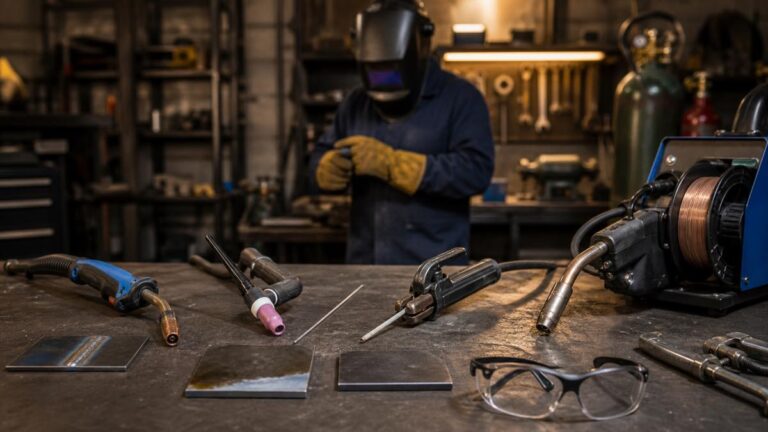
Aluminum Welding Wire Size Chart
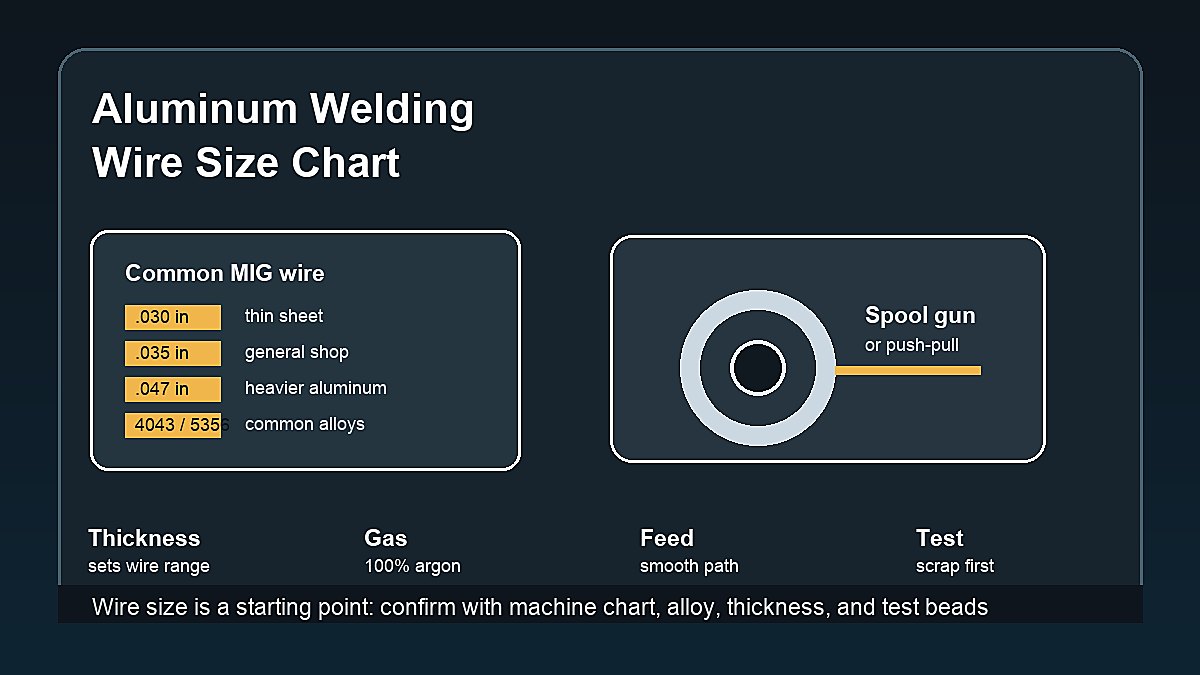
This aluminum welding wire size chart gives beginners a practical starting point for choosing MIG aluminum wire diameter, filler alloy, shielding gas, and test settings. It is not a replacement for your welder manual, wire data sheet, or a qualified procedure.
Aluminum MIG welding is sensitive to wire feed quality. Aluminum wire is softer than steel wire, so it can birdnest, shave, burn back, or feed unevenly if the liner, drive rolls, gun, spool gun, contact tip, and settings are not matched.
Mark Dawson beginner note: choose wire size after you know the aluminum thickness, alloy, machine output, and feed system. A chart is a starting point; the test bead tells you whether the setup works.
Quick Answer
For aluminum MIG welding, .030 inch wire is often used for thinner material and smaller machines, .035 inch wire is a common general-purpose choice, and .047 inch or 3/64 inch wire is often used for thicker aluminum and higher-output machines. The most common aluminum MIG filler alloys are 4043 and 5356. Use 100% argon for most beginner aluminum MIG welding, and test on scrap before welding the final part.
| Wire Diameter | Typical Beginner Use | Notes |
|---|---|---|
| .030 in | Thin aluminum, small machines | Can feed easier on light work but may be limited on thick material |
| .035 in | General shop aluminum MIG | Common starting point for spool gun practice |
| .047 in / 3/64 in | Heavier aluminum | Needs enough machine output and stable wire feeding |
| 1/16 in | Heavy work / industrial setups | Usually beyond beginner home machines |
Aluminum Wire Size by Thickness
The table below is a starting guide, not a fixed rule. Aluminum alloy, joint type, travel speed, position, heat sink effect, and machine output all change the final setup.
| Aluminum Thickness | Possible Wire Size | Beginner Note |
|---|---|---|
| Thin sheet | .030 in | Burn-through risk is high; practice first |
| Light plate | .030 or .035 in | Choose based on machine chart and feed stability |
| Medium plate | .035 or 3/64 in | Spool gun often helps wire feed |
| Thicker aluminum | 3/64 in or larger | May need more amperage and joint prep |
4043 vs 5356 Aluminum Wire
Two common aluminum MIG wires are 4043 and 5356. The right filler depends on the base alloy, strength needs, color match after anodizing, corrosion exposure, crack sensitivity, and service temperature. Do not choose only by what is on the shelf.
| Wire Alloy | Common Use | Caution |
|---|---|---|
| 4043 | Often used on many 6xxx aluminum jobs | Lower ductility than 5356 in some cases; check base alloy |
| 5356 | Common where higher strength is needed | Not ideal for every service temperature or alloy |
| Other fillers | Special alloys and procedures | Use manufacturer or procedure guidance |
If you do not know the base aluminum alloy, treat the work as practice or get qualified guidance. Unknown aluminum can crack, weld poorly, or fail in service even when the bead looks acceptable.
Common Base Aluminum Families
Many beginner projects use 5xxx or 6xxx series aluminum, but scrap pieces are not always labeled. 6xxx aluminum is common in extrusions and frames. 5xxx aluminum is common in sheet, marine, and corrosion-resistant work. Cast aluminum behaves differently and may need a different filler choice.
Wire size and filler alloy are separate decisions. A .035 inch wire can be 4043 or 5356. The diameter affects feed and heat range, while the alloy affects compatibility, strength, crack resistance, and finish. Read the wire label before loading it.
Spool Gun vs Standard MIG Gun
A spool gun keeps the aluminum wire spool close to the gun, which shortens the wire path. This helps because soft aluminum wire can buckle inside a long liner. Many beginner aluminum MIG setups use a spool gun for this reason.
A standard MIG gun may work with the right liner, drive rolls, short cable, and careful setup, but it is less forgiving. Push-pull guns are another option, usually on more advanced or industrial systems. For related setup, read Can You MIG Weld Aluminum to Steel? and Can You MIG Weld Aluminum With Flux Core Wire?.
Spool Gun Setup Checklist
- Confirm the machine supports the spool gun.
- Use the correct contact tip for the wire diameter.
- Set drive tension lightly enough to avoid crushing wire.
- Keep the gun angle and cable position comfortable.
- Check that the wire feeds smoothly before welding.
- Trim the wire cleanly before the first start.
- Use the machine chart for aluminum mode if available.
Jerky wire feed in the air will not become stable in the weld. Fix feeding before adjusting voltage and travel speed.
Shielding Gas for Aluminum Wire
Most beginner aluminum MIG welding uses 100% argon shielding gas. Do not use common steel MIG gas mixes with CO2 for aluminum MIG welding. Gas choice affects arc behavior, cleaning, penetration profile, and weld appearance.
Gas flow must be enough to protect the puddle without creating turbulence. Wind, fans, nozzle problems, and leaks can disturb shielding. If the weld looks sooty or porous, check gas coverage, metal prep, and wire cleanliness before changing wire size.
Contact Tips, Drive Rolls, and Liner
Aluminum expands more than steel when hot, so contact tip fit matters. Some setups use tips sized for aluminum wire to reduce burnback and feeding problems. Follow the gun and wire manufacturer instructions instead of forcing steel-wire parts to work.
Use drive rolls meant for aluminum when required. Too much drive-roll tension can deform or shave the wire. Too little tension can cause slipping. The liner should be clean and suitable for aluminum, and the gun cable should be kept as straight as possible.
Wire Feed Speed and Voltage
Wire size affects wire feed speed and voltage choices, but it does not give the full setting by itself. Start with the machine chart for your wire diameter, filler alloy, material thickness, and shielding gas. Then make short test welds and adjust one variable at a time.
When the wire burns back into the tip, the feed may be too slow, the voltage too high, stickout too short, or the feeding path unstable. Wire that stubs into the work can point to low voltage, high feed speed, slow travel, or poor technique.
Thin Aluminum Setup Example
On thin aluminum, the risk is burn-through and distortion. A smaller wire such as .030 inch may be easier to control on some small machines, but technique still matters. Keep the material clean, use tight fit-up, make short test beads, and avoid lingering in one spot.
If the edge melts away before the bead forms, the setup may be too hot, travel may be too slow, or the part may be too thin for your current machine and wire combination. Practice on scrap before attempting visible or important work.
Thicker Aluminum Setup Example
Thicker aluminum needs more heat and a wire size that can deposit enough filler. A 3/64 inch wire may be more suitable than .030 inch on heavier work, but only if the machine has enough output and the feed system can run it smoothly.
Large aluminum parts also pull heat away fast. The first bead may feel cold, then the part can suddenly become hot after repeated welding. This is why test beads and heat control matter more than memorizing one chart number.
Cleaning Before Aluminum MIG
Wire size will not fix dirty aluminum. Remove oil, grease, marker, adhesive, moisture, and oxide where the weld will go. Use a stainless brush dedicated to aluminum. Clean filler wire and keep it stored where it will not collect shop dirt.
For more aluminum fundamentals, read Beginner’s Guide to Welding Aluminum and How to Set Up a TIG Welder for Aluminum.
Wire Storage and Handling
Aluminum wire should stay clean and dry. Dust, oil, shop grit, and oxidation can ride into the feed path and weld pool. Keep wire covered when not in use and avoid touching it with dirty gloves. If a spool has been sitting open in a dusty shop, inspect it before using it on a serious project.
Do not mix steel grinding dust with aluminum wire or parts. Cross-contamination can create weld problems and corrosion concerns. Use dedicated brushes and clean storage when possible.
Common Beginner Wire Size Mistakes
- Choosing wire only by thickness and ignoring base alloy.
- Using steel MIG gas on aluminum.
- Running soft aluminum wire through a poor feed path.
- Using the wrong contact tip or drive roll setup.
- Trying to weld dirty aluminum and blaming wire size.
- Using wire too small for the machine output and material.
- Using wire too large for thin aluminum and burning through.
- Skipping test beads on matching scrap.
Setup Checklist
- Confirm base aluminum alloy if possible.
- Choose filler alloy using wire guidance or procedure.
- Select wire diameter from thickness and machine chart.
- Use 100% argon for common beginner aluminum MIG.
- Set up spool gun, liner, tip, and drive rolls correctly.
- Clean aluminum and filler wire.
- Run test beads on matching scrap.
- Inspect for porosity, soot, burn-through, and lack of fusion.
Troubleshooting Chart
| Problem | Possible Cause | First Check |
|---|---|---|
| Birdnesting | Soft wire feeding poorly | Spool gun, tension, liner, cable path |
| Burnback | Feed/voltage/stickout mismatch | Tip size and wire feed |
| Porosity | Gas or contamination | Argon flow, leaks, cleaning |
| Sooty bead | Dirty metal or poor gas | Clean aluminum and check shielding |
| Burn-through | Too much heat for thickness | Wire size, travel speed, settings |
Practice Drill
Cut several scrap coupons from the same aluminum thickness. Clean each coupon the same way. Run one bead using the machine chart, then adjust only wire feed or voltage. Label each bead with wire size, filler alloy, voltage, feed speed, and gas flow.
After cooling, inspect bead width, wetting, porosity, soot, burn-through, and wire feeding behavior. Keep the best coupon as a reference for the next practice session.
When to Change Wire Size
Change wire size when the current wire cannot match the material and machine behavior. If a small wire cannot fill the joint or keeps burning back at useful heat, a larger wire may help. If a larger wire makes thin aluminum too hot and hard to control, a smaller wire may be better.
Change only after you check cleaning, gas, contact tip, feed path, and baseline settings. Many wire-size problems are actually setup problems.
Wire Size vs Travel Speed
Wire size changes how much filler metal is delivered for a given feed speed. A larger wire can deposit more metal, but it also needs the machine and puddle control to support it. A smaller wire can feel easier on light material, but it may not fill a larger joint well.
Travel speed has to match the puddle. Moving too fast can leave a narrow bead with poor wetting. Moving too slowly can overheat the aluminum, widen the bead, and increase burn-through risk. Watch the edges of the puddle, not only the center.
Joint Type Changes the Choice
A butt joint, lap joint, outside corner, and fillet weld do not all behave the same. Lap joints and fillets may need enough filler to tie into both pieces. Thin butt joints can burn through quickly if the wire and heat are too aggressive.
For practice, test the same wire size on the same joint type you plan to weld. A wire that runs well on flat bead practice may need adjustment when the joint has a gap, corner, or heat sink.
Do Not Skip the Machine Manual
Every welder has limits. Some small machines can run aluminum wire only with specific spool guns, wire diameters, and duty cycles. Others may not support aluminum MIG well at all. The manual tells you which wire sizes, gun parts, polarity, and settings the machine was designed to use.
Safety Notes
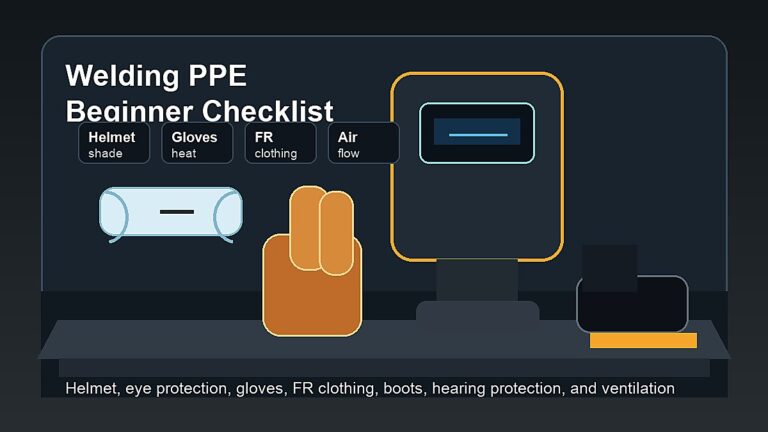
Aluminum MIG welding involves UV radiation, hot metal, sparks, fumes, compressed gas, electric shock, sharp edges, and grinding hazards. Use proper PPE, ventilation or fume control, fire-safe workspace, and cylinder safety.
Do not weld unknown aluminum, coated material, tanks, pressure parts, vehicle parts, or structural parts without qualified guidance. Review OSHA welding hazards guidance, OSHA welding, cutting, and brazing requirements, AWS safety resources, and Lincoln Electric aluminum welding guidance.
FAQ
What size MIG wire is best for aluminum?
Many beginners start with .030 inch for thinner aluminum, .035 inch for general work, and 3/64 inch for heavier aluminum, but the machine chart and wire feed setup decide the final choice.
Is 4043 or 5356 better for aluminum welding?
Neither is always better. 4043 and 5356 have different uses. Choose based on base alloy, strength, corrosion exposure, finishing, and procedure guidance.
Do you need a spool gun for aluminum MIG wire?
A spool gun is strongly helpful for many beginner aluminum MIG setups because it shortens the soft-wire feed path and reduces birdnesting risk.
What gas is used with aluminum MIG wire?
Most beginner aluminum MIG welding uses 100% argon. Do not use common CO2 steel MIG blends for aluminum MIG welding.
Why does my aluminum wire keep birdnesting?
Birdnesting can come from too much drive tension, wrong liner, poor gun angle, long cable, wrong contact tip, soft wire, or a machine not set up for aluminum feeding.
Final Advice
An aluminum welding wire size chart helps you start, but it cannot replace setup testing. Match wire size to thickness, filler alloy, machine output, and feed system, then prove the setup on scrap before welding anything important.