Can You Weld Cast Iron With Mild Steel Rods?
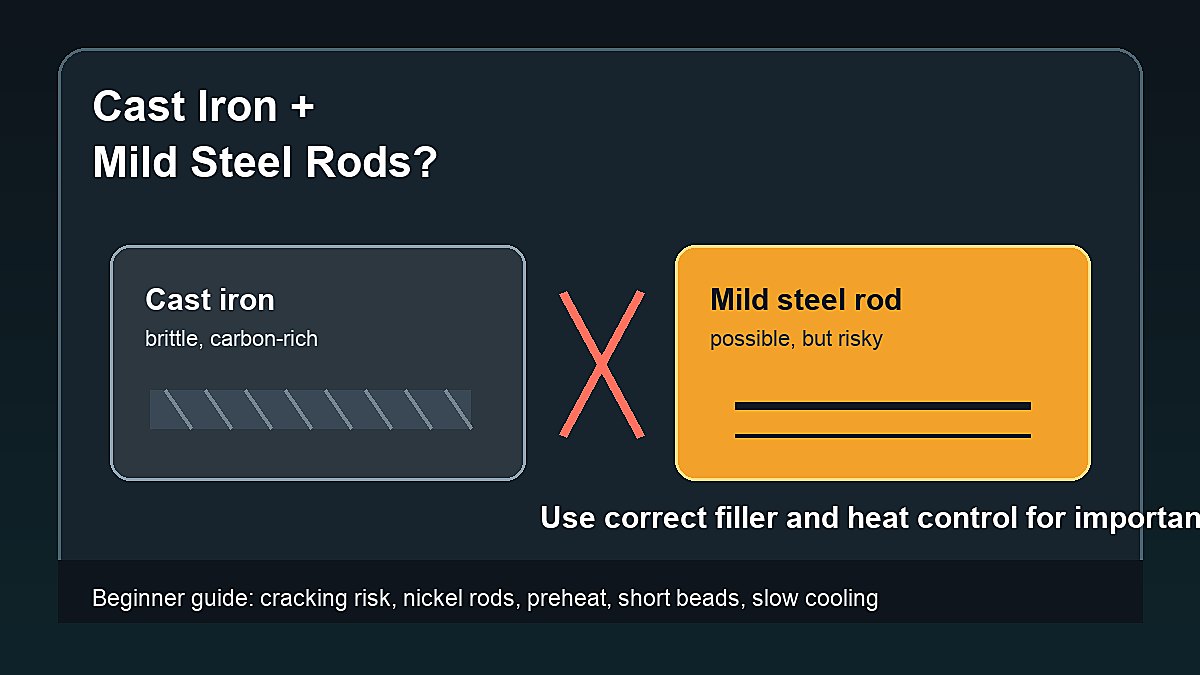
Can you weld cast iron with mild steel rods? Sometimes you can make cast iron stick together with mild steel rods, but it is usually not the best repair choice. Cast iron is brittle, carbon-rich, and crack-prone. Mild steel electrodes can create hard, stressed weld areas that may crack during cooling or fail later.
For non-critical practice, a mild steel rod might produce a temporary bead on some cast iron pieces. For important repairs, nickel cast-iron electrodes, proper preparation, heat control, short beads, peening when appropriate, and slow cooling are usually the safer direction. A broken vise, engine part, stove, pump housing, or machine casting deserves more care than a quick bead with whatever rod is nearby.
Mark Dawson beginner note: cast iron repair is not beginner-friendly just because the part is small. The hard part is not striking an arc. The hard part is controlling cracking, heat stress, contamination, and whether the repair is safe to use afterward.
Quick Answer
You can sometimes weld cast iron with mild steel rods for non-critical, low-risk practice, but it is risky and often not recommended for real repairs. Mild steel rods do not match cast iron well, and the weld area can become hard, brittle, and crack-prone. Nickel rods or cast-iron-specific electrodes are usually better for repair work when welding is appropriate.
| Option | Beginner Verdict | Main Risk |
|---|---|---|
| Mild steel rod on cast iron | Possible for low-risk practice | Cracking and hard brittle weld area |
| Nickel cast-iron rod | Better repair choice | Still needs heat control and prep |
| Brazing | Sometimes useful | Different process and joint limits |
| Critical casting repair | Get qualified help | Failure can be expensive or dangerous |
Why Cast Iron Is Hard to Weld
Cast iron is different from mild steel. It usually has much more carbon, and that carbon affects how the metal behaves when heated and cooled. The material can be strong in compression, but it is often brittle compared with mild steel. Sudden heat changes and shrinkage stress can create cracks.
The casting may also contain oil, graphite, old repairs, dirt, rust, paint, or hidden cracks. Parts that lived around oil, heat, vibration, or exhaust can be difficult to clean. Even when the surface looks ready, contamination can come out during welding and cause porosity or weak fusion.
That is why cast iron repair is more than rod choice. Your repair plan depends on the part, the type of cast iron, crack location, service load, temperature exposure, and whether machining is needed afterward.
How to Tell If a Part Is Cast Iron
Beginners sometimes call every dark heavy casting cast iron, but parts can be gray cast iron, ductile iron, cast steel, or another alloy. The repair choice changes if the material is not what you think. Cast steel may weld more like steel, while gray cast iron usually needs a different repair approach.
Clues can include the fracture appearance, spark test behavior, part history, manufacturer information, and how the metal machines or grinds. A fresh gray cast iron break often looks dull and grainy. Cast steel usually throws longer, brighter sparks than gray cast iron during grinding. These are clues, not proof.
For valuable or important parts, identify the material before welding. A machine shop, repair welder, or manufacturer information can save you from using the wrong filler and making the crack worse.
Why Mild Steel Rods Are Risky
Mild steel stick rods are made for steel, not for matching cast iron. When used on cast iron, the weld and heat-affected area can become hard and brittle. The difference in expansion, carbon behavior, and weld metal properties can create stress as the repair cools.
A bead may look attached at first and still be a poor repair. Cracks can appear beside the weld, through the bead, or later after the part is put back into service. This is why a quick mild-steel-rod fix is not a responsible choice for structural, engine, pressure, lifting, or expensive machine parts.
For rod selection basics, read Welding Rod Specifications Explained for Beginners and Different Types of Welding Rods.
When Mild Steel Rods Might Be Used
A mild steel rod might be used only for a low-risk, non-critical, temporary, or practice piece where cracking would not create danger or serious cost. For example, a beginner might test on scrap cast iron to see how it behaves, but that does not make it a repair method for an important part.
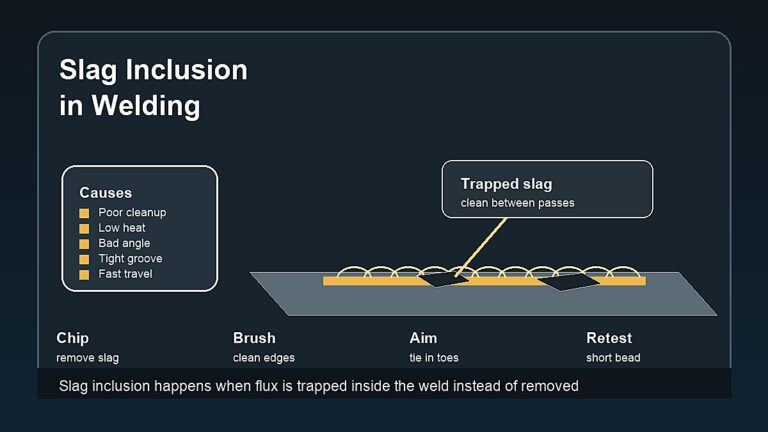
If you try it on scrap, keep expectations low. Use short beads, avoid overheating the casting, and let it cool slowly. Do not assume success because the bead sticks. Inspect for cracks after cooling and understand that the repaired area may be difficult to machine or grind.
Practice Test Before Any Repair
Before touching a real part, practice on broken scrap cast iron if you can find it. Try a short bead, let the piece cool completely, then check whether the bead cracked, lifted, or became glass-hard under a file. This simple test teaches why cast iron is different from mild steel.
Compare that practice result with a proper cast-iron rod if available. The difference in arc feel, bead shape, cracking, and cleanup will be more useful than theory alone.
What Happens When the Wrong Rod Is Used
The wrong rod can create a bead that is harder than the surrounding casting. That hard zone may resist machining, chip under stress, or crack beside the weld. A beginner may think the repair worked because the bead is attached, but the casting may already be stressed.
Another problem is dilution. As the weld melts into the cast iron, carbon and other elements mix into the weld area. With mild steel filler, that mix can become brittle. Nickel filler is often used because it handles the cast iron repair environment better and is usually more machinable.
Cracking may happen during welding, after the part cools, or after it goes back into service. Vibration, heat cycles, bolt pressure, and load can reveal a weak repair later. That delay is why visual inspection right after welding is not enough for important parts.
When Nickel Rods Are Better
Nickel electrodes are commonly used for cast iron repair because they are more compatible with cast iron than ordinary mild steel rods. Nickel weld metal can be more machinable and can tolerate the cast iron repair environment better when the procedure is right.
Nickel rods are not magic. The casting still needs cleaning, crack preparation, heat control, short welds, and slow cooling. The correct nickel rod depends on the part and repair goal. Some repairs may call for nickel-iron, high-nickel, brazing, mechanical repair, or replacement instead of welding.
A related next step is How to Weld Cast Iron With Nickel Rods when that guide is ready. Until then, treat nickel rods as the more appropriate family for many cast iron repairs, not a guarantee of success.
Crack Preparation Basics
Crack repair usually needs more than welding over the visible line. The crack may continue beyond what you can see. Some repairs use stop-drilling at the crack ends to reduce further spreading. The damaged area may need grinding or grooving so the filler reaches the root of the crack.
Cleaning is slow but necessary. Oil-soaked castings can release contamination during welding. Heat may pull oil out of pores and into the weld. Degreasing, grinding, brushing, and sometimes repeated cleaning cycles may be needed before the part is ready.
Do not grind away more material than needed on thin or delicate castings. Over-grinding can weaken the part, distort the repair area, or remove alignment surfaces. The repair shape should support the filler and preserve the part’s function.
Preheat and Slow Cooling
Heat control is one of the big differences between cast iron repair and basic mild-steel practice. Some cast iron repairs use preheat to reduce temperature shock and stress. Others use cold welding techniques with very short beads and careful cooling. The right approach depends on the casting and procedure.
Slow cooling helps reduce cracking risk in many repairs. Welders may use insulating blankets, dry sand, lime, or controlled cooling methods depending on the shop setup and job. Beginners should not improvise heat treatment on expensive parts. Too much heat, uneven heat, or fast cooling can make cracks worse.
The cooling method should be planned before welding starts. Searching for a blanket after the part is already hot is poor preparation. If you are using a cold-weld approach, the plan is different: small beads, cooling pauses, and careful temperature control. Either way, the repair needs discipline.
Short Beads and Peening
Cast iron repairs are often made with short weld beads rather than long continuous passes. Short beads limit heat input and reduce stress. Some procedures use light peening after a short bead to help counter shrinkage stress, but peening must be done correctly and is not a cure for bad prep or the wrong filler.
For beginners, the important lesson is restraint. Do not run a long hot bead across a casting and hope it survives. Weld a little, control heat, clean carefully, and follow a proven procedure. Important parts deserve help from someone experienced with cast iron.
Parts You Should Not Practice On
- Engine blocks, heads, manifolds, or brackets that affect safety.
- Pressure-containing parts or pump housings.
- Lifting, steering, suspension, trailer, or vehicle parts.
- Machine bases where alignment matters.
- Valuable antique, stove, or tool castings.
- Parts with unknown metal, oil soaking, or previous failed repairs.
Practice on scrap, not on parts you cannot afford to ruin. The crack can grow beyond the original damage, and an attempted repair can make a professional repair harder later.
When Brazing or Mechanical Repair May Be Better
Brazing can be useful on some cast iron repairs because it uses lower heat than fusion welding. The base metal is not melted in the same way, which can reduce some cracking risk. Brazing still needs clean metal, good fit-up, correct filler, and an understanding of the load on the part.
Mechanical repair may also make sense. Stitching, locking pins, bolting, replacement, or machining a new part can be better than welding on certain castings. Rare, expensive, or safety-related parts may be better served by a repair that avoids beginner welding altogether.
Match the method to the service conditions. A decorative casting, stove part, machine base, exhaust manifold, and pump housing do not have the same heat, stress, and leak requirements. One answer will not fit all of them.
Beginner Repair Checklist
- Identify whether the part is actually cast iron.
- Decide whether failure could hurt someone or damage equipment.
- Clean oil, paint, rust, and contamination before welding.
- Stop-drill cracks when the repair method calls for it.
- Choose cast-iron-appropriate filler when the repair matters.
- Use short beads and controlled heat.
- Cool slowly when the procedure requires it.
- Inspect after cooling, not only while the bead is hot.
This checklist is a starting point, not a complete repair procedure. Cast iron varies, and the part decides the method. When in doubt, ask a qualified welder or repair shop before striking an arc.
Common Beginner Mistakes
- Using 6011, 6013, or 7018 because those rods are already in the drawer.
- Running a long hot bead across a cold casting.
- Skipping cleaning because the casting looks dark anyway.
- Ignoring hidden cracks and oil contamination.
- Cooling the part quickly after welding.
- Using a repaired casting in a safety-critical location without inspection.
- Judging success before the part fully cools.
If you are comparing rod behavior, also read Difference Between 7018 and 6010 Welding Rods and Difference Between 6011 and 7018 Welding Rods.
Safety Notes
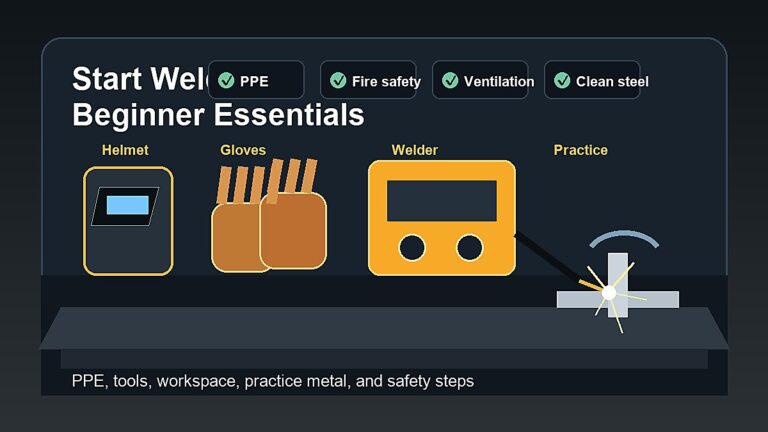
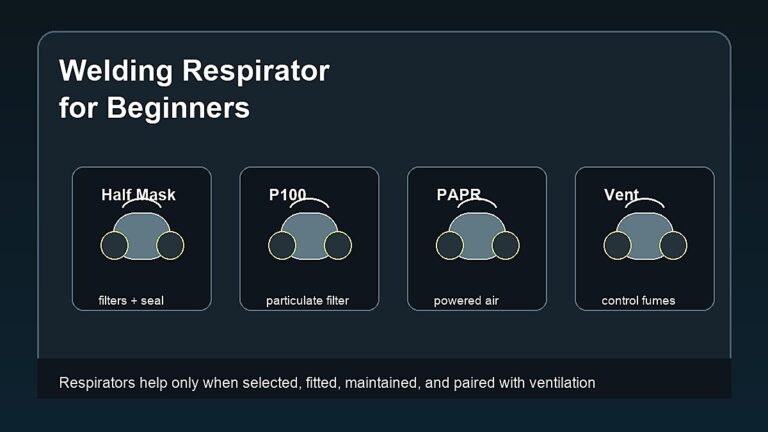
Cast iron welding can involve electric shock, arc flash, fumes, hot metal, fire, burns, grinding dust, and flying slag. Old castings may contain oil, paint, coatings, or unknown contamination that increases fume and fire risk. Use a proper welding helmet, safety glasses, dry gloves, flame-resistant clothing, ventilation, and a fire-safe workspace.
Review OSHA welding hazards guidance, OSHA welding fume guidance, and AWS safety resources. For general stick welding safety, read Arc Welding Safety.
FAQ
Can 7018 weld cast iron?
7018 may stick to some cast iron, but it is not usually the best cast iron repair rod. Cracking, hardness, and mismatch are concerns, especially on important parts.
What rod is best for cast iron?
Nickel cast-iron electrodes are often preferred for many cast iron repairs, but the correct filler depends on the casting, repair goal, machining needs, and procedure.
Can you weld cast iron without preheating?
Some cold-repair methods use very short beads and careful cooling, while other repairs use preheat. The right method depends on the part and repair procedure.
Why does cast iron crack after welding?
Cracking happens because the material is brittle and carbon-rich. Heat, shrinkage stress, poor filler choice, contamination, and fast cooling can all contribute.
Is brazing better than welding cast iron?
Brazing can be useful for some cast iron repairs because it uses lower heat than fusion welding, but it has its own limits. The repair method should match the part and service load.
Final Advice
You can sometimes weld cast iron with mild steel rods, but that does not make it a good repair choice. For anything important, choose a cast-iron-appropriate method, control heat, clean thoroughly, cool slowly when required, and get qualified help before risking a valuable or safety-critical part.