Beginner Welding Mistakes: 12 Common Problems to Avoid
The most common beginner welding mistakes are welding dirty metal, using the wrong settings, moving too fast, ignoring fit-up, skipping safety prep, and judging a weld only by how it looks. New welders often focus on making metal stick together, but a useful weld needs clean material, correct setup, enough heat, good control, and safe working conditions.
If you are new to welding, mistakes are normal. The goal is to make them on scrap steel first, understand what caused them, and correct one habit at a time before moving into real projects.
Mark Dawson beginner note: do not rush into brackets, carts, repairs, or projects before you can run steady practice beads. A bad weld on scrap is a lesson. A bad weld on a trailer, vehicle, railing, pressure part, or lifting point can become a serious safety problem.
Quick Answer: Biggest Welding Mistakes Beginners Make
The biggest welding mistakes beginners make are poor safety setup, dirty metal, wrong polarity, wrong amperage or voltage, bad wire speed, poor joint fit-up, moving too fast, holding the wrong angle, using the wrong filler or rod, ignoring defects, and practicing on projects that are too advanced.
- Most dangerous mistake: skipping PPE, ventilation, and fire safety.
- Most common weld-quality mistake: welding dirty metal.
- Most frustrating setup mistake: wrong polarity, wire speed, or amperage.
- Most expensive learning mistake: starting on real repairs instead of scrap practice.
1. Skipping Welding Safety Prep
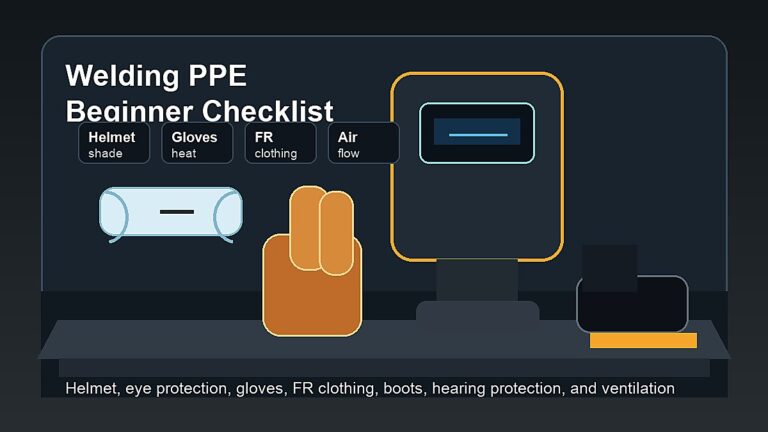
Safety is not a final step. It is the first step. Welding can involve UV radiation, sparks, burns, fumes, electric shock, hot metal, compressed gas, grinding debris, and fire. A beginner who starts welding without proper PPE and a fire-safe workspace is already making the biggest mistake.
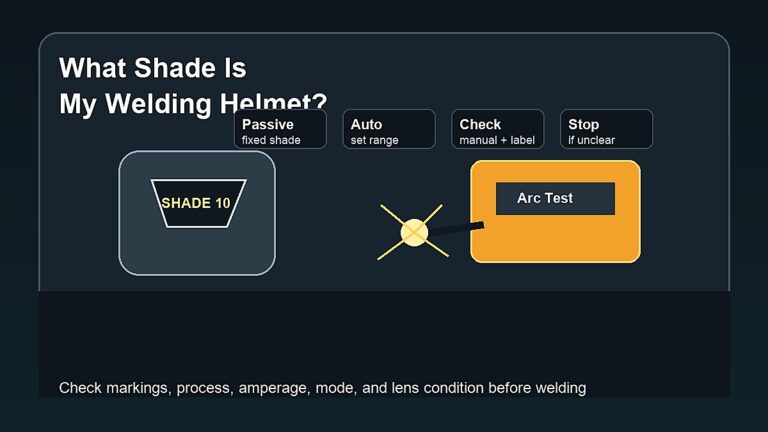
- Wear a proper welding helmet with the correct shade.
- Use welding gloves, safety glasses, and flame-resistant clothing.
- Move flammable materials away from the work area.
- Use ventilation or fume control suitable for the material.
- Keep a fire watch after welding because sparks can smolder.
Before practicing, read Welding Safety and your machine manual.
2. Welding Dirty Metal
Paint, rust, oil, moisture, mill scale, and coatings can cause porosity, spatter, poor fusion, and weak welds. Some coatings can also create hazardous fumes. Beginners often think a powerful welder will burn through contamination, but dirty metal usually makes learning harder.
Clean the weld area with a grinder, wire brush, or appropriate prep method. Make sure the ground clamp has clean contact too. If the material is unknown, coated, galvanized, painted, or oily, stop and verify the hazard before welding.
3. Using Random Machine Settings
Random settings create random results. Beginners sometimes turn knobs until the arc sounds dramatic, but welding settings should start from the machine chart, manual, or a trusted settings guide. Then you adjust on scrap of the same thickness.
- For MIG and flux core, check voltage and wire speed.
- For stick welding, check rod type, diameter, amperage, and polarity.
- For TIG, check amperage, tungsten, filler, gas flow, and material thickness.
If you are still learning process differences, review Types of Welding Explained.
4. Ignoring Polarity
Polarity matters. Some flux core wires use different polarity than gas MIG. Stick electrodes also have polarity requirements. If the polarity is wrong, the arc may feel unstable, the weld may spatter badly, or penetration may be poor.
Always check the wire, rod, machine manual, and inside-panel chart before welding. Do not assume the machine is set correctly from the last job.
5. Moving Too Fast
Fast travel speed can make a weld look narrow, ropey, and poorly tied into the base metal. Beginners often move fast because the heat feels intimidating or they are trying to avoid burning through. The result can be lack of fusion or weak welds.
Watch the puddle, not just the arc. The weld should tie into both sides of the joint. Practice straight beads and change only one variable at a time so you can see how speed affects the result.
6. Holding the Wrong Angle or Distance
Torch angle, work angle, stickout, and arc length affect heat, bead shape, penetration, and spatter. A beginner may hold the gun too far away, drag too steeply, or point heat at only one side of the joint.
Use the process guidance from your manual and practice with a comfortable body position. If your hand is floating in the air, brace your wrist or forearm when possible so the torch stays steadier.
7. Poor Fit-Up and Clamping
Welding does not fix bad fit-up. Gaps, misalignment, uneven cuts, and loose parts make welding harder. Beginners sometimes try to fill large gaps with weld metal, which can lead to distortion, burn-through, or weak joints.
- Cut and grind parts so they fit before welding.
- Clamp parts securely.
- Use tack welds before final welding.
- Check square before adding more heat.
If you are building small practice items, start with Beginner Welding Projects before trying larger frames.
8. Welding Too Much at Once
Heat builds quickly. Long welds on thin or small parts can warp the project. Beginners often weld a full joint in one pass when short welds, pauses, and a better tack sequence would control distortion better.
For frames, brackets, and small projects, tack first, check alignment, then weld in a balanced sequence. Let parts cool when needed.
9. Not Learning Common Weld Defects
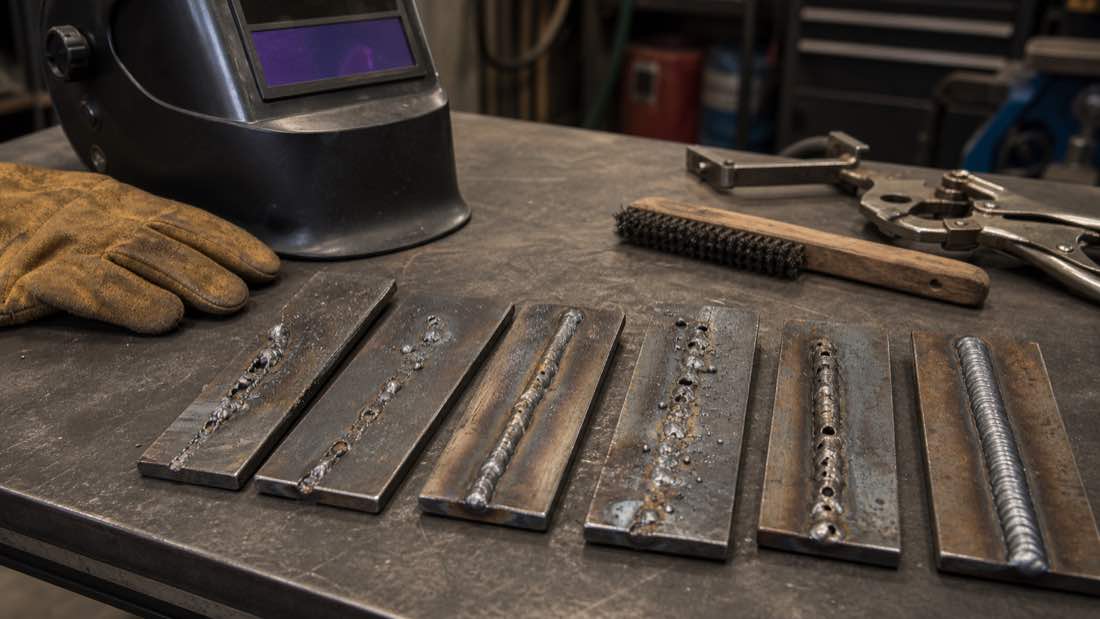
Porosity, undercut, slag inclusion, lack of fusion, overlap, cracks, and excessive spatter all tell you something. If you do not know the defect, you cannot fix the cause.
Study Welding Defects as you practice. Keep a few bad coupons and label what happened. That is more useful than throwing every ugly weld away.
10. Using the Wrong Process for the Job
MIG, TIG, stick, and flux core can all make strong welds when used correctly, but they do not fit every beginner job equally. Thin sheet metal, outdoor repair, aluminum, stainless steel, and dirty farm steel may need different processes and preparation.
Before buying tools or starting a project, match the process to the material, thickness, workspace, and required strength.
11. Practicing on Real Repairs Too Soon
It is tempting to learn by fixing something important. That is risky. A beginner weld on a trailer, car, railing, ladder, pressure tank, or lifting point can fail in a way that hurts someone.
Practice on scrap first. Move to simple non-critical projects. For structural, vehicle, trailer, pressure vessel, lifting, or safety-critical welding, get proper training and inspection.
12. Not Keeping Notes
Beginners improve faster when they write down settings and results. If one bead looks better, you need to know what changed. Notes help you connect material thickness, settings, travel speed, and technique.
- Write down material thickness.
- Record wire, rod, tungsten, or filler type.
- Record voltage, wire speed, amperage, and polarity.
- Take photos of practice welds.
- Mark what you would change next time.
Beginner Practice Plan to Avoid These Mistakes
- Set up PPE, ventilation, and fire safety.
- Clean scrap mild steel and clamp it securely.
- Run straight beads using the machine chart.
- Change one setting at a time and compare results.
- Practice lap joints and T-joints.
- Study defects and label your practice coupons.
- Move into small non-critical projects only after your beads are consistent.
FAQ
What is the most common beginner welding mistake?
The most common beginner welding mistake is welding without enough preparation. That includes dirty metal, poor fit-up, random settings, and weak safety habits.
Why do my beginner welds have holes?
Holes or porosity can come from contamination, moisture, shielding gas problems, wrong flux core setup, long arc length, or poor technique. Start by cleaning the metal and checking your setup.
Why are my welds too tall and ropey?
A tall ropey weld can come from moving too slowly with low heat, poor angle, or settings that do not match the material. Practice on scrap and adjust one variable at a time.
Should beginners grind their welds?
Beginners can grind practice welds for cleanup, but grinding can hide defects. Inspect the weld first and learn what the bead is telling you before smoothing it.
How can I get better at welding faster?
Practice on clean scrap, take notes, change one variable at a time, study common defects, and get feedback from an experienced welder or instructor when possible.
Final Advice
Beginner welding mistakes are part of learning, but dangerous mistakes should not be part of the process. Keep practice low-risk, use proper safety gear, and build skill one habit at a time. A careful beginner who studies mistakes will improve faster than someone who only tries to make welds look good.
Related Beginner Guides
- What Is Welding?
- Types of Welding Explained
- Beginner Welding Projects
- Welding Safety
- Welding Defects