Beginner’s Guide to Welding Chromoly: 4130 Basics and Safety
This beginner’s guide to welding chromoly explains what chromoly steel is, why 4130 tubing is common in performance and fabrication work, and why new welders should approach it carefully. Chromoly can be welded, but it is not a beginner material for safety-critical projects. Fit-up, cleanliness, filler choice, heat control, and procedure matter more than they do on simple mild-steel practice coupons.
For most beginners, chromoly should be studied after basic welding safety, mild-steel practice, and process fundamentals. It is often used in applications where failure can be serious, including motorsport, bicycle, aircraft, and structural tube work. That means the safest first step is learning the principles on scrap, not welding a real frame or cage.
Mark Dawson beginner note: if the chromoly part carries a person, vehicle load, steering load, suspension load, roll-over protection, or aircraft load, do not treat it as a beginner practice job. Use a qualified welding procedure, proper material knowledge, and inspection.
Quick Answer: Can Beginners Weld Chromoly?
Beginners can practice welding chromoly on clean scrap tubing or coupons, but they should not weld safety-critical chromoly parts without training and inspection. TIG welding is commonly preferred for 4130 chromoly because it gives good control over heat and filler metal. MIG welding may be used in some applications, but the correct wire, procedure, and joint requirements must be verified for the job.
- Best beginner approach: learn on mild steel first, then practice on chromoly scrap.
- Common process: TIG welding for control and clean tube work.
- Important skill: tight fit-up before welding.
- Biggest warning: do not practice on roll cages, frames, aircraft, or safety parts.
What Is Chromoly?
Chromoly is a steel alloy that includes chromium and molybdenum. One common type is 4130 steel. It is valued because it can offer good strength-to-weight performance when used correctly. That is why it appears in tubing, motorsport parts, bike frames, aircraft structures, and fabrication projects where material performance matters.
Chromoly is not magic steel. It still needs correct design, material thickness, joint prep, welding process, filler, heat control, and inspection. A nice-looking bead alone does not prove the part is safe.
Why Chromoly Is Not the Same as Mild Steel
Beginners often ask if they can weld chromoly like regular steel. The answer is: sometimes the process looks similar, but the consequences and procedure requirements are different. Chromoly parts may be thinner, more highly stressed, and more sensitive to poor fit-up or overheated weld zones.
On mild-steel practice projects, a beginner mistake may create an ugly shelf bracket. On chromoly safety parts, a mistake can create a hidden weak point. That is why this guide focuses on learning principles, not giving a universal procedure for every chromoly job.
TIG vs MIG for Welding Chromoly
TIG Welding Chromoly
TIG welding is commonly used for 4130 chromoly tubing because it gives precise control over heat input, puddle size, and filler addition. That control is helpful for thin-wall tubing and clean joints. The tradeoff is that TIG takes practice and requires steady hands, clean prep, and good fit-up.
- Good for: clean tube work, controlled welds, practice coupons, and precise joints.
- Beginner challenge: coordination, heat control, and filler timing.
- Related guide: TIG Welding.
MIG Welding Chromoly
MIG welding can be used on some chromoly work when the procedure is appropriate, but beginners should not assume any MIG setup is acceptable. Wire choice, shielding gas, joint design, material thickness, and service requirements matter. For safety-critical chromoly, follow a qualified procedure rather than general internet advice.
- Good for: some non-critical fabrication when the setup is correct.
- Beginner challenge: avoiding overconfidence because wire-feed welding feels easy.
- Related guide: MIG Welding.
Beginner Setup Principles for Chromoly Practice
Do not use this section as a certified procedure. Use it as a beginner checklist for practice and learning. Your actual setup must come from the machine manual, material information, filler guidance, and qualified instruction for the specific job.
- Use clean scrap: practice on known 4130 coupons or tubing, not unknown steel.
- Prepare tight joints: gaps make thin tube welding harder and less predictable.
- Clean the joint: remove oil, paint, rust, and contamination.
- Control heat: too much heat can affect the weld area and thin tubing.
- Choose filler carefully: filler selection depends on the job and requirements.
- Inspect practice welds: do not assume smooth appearance means safe strength.
Fit-Up Matters More Than Beginners Expect
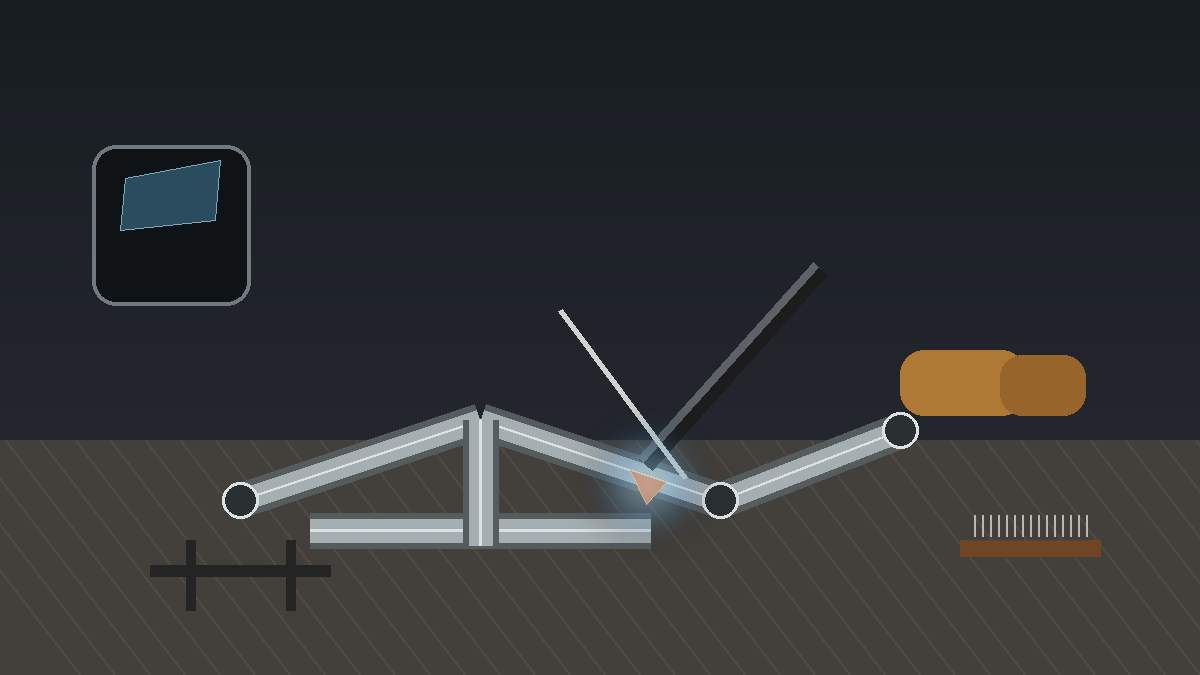
Good chromoly welding starts before the arc. Tube joints should fit closely, not rely on weld metal to fill large gaps. Poor notching, uneven cuts, and loose fit-up can force the welder to add extra heat and filler. That can make the joint harder to control.
If you are learning tube work, practice cutting, coping, deburring, cleaning, and clamping before final welding. A clean tight joint is easier to weld and easier to inspect.
Common Beginner Chromoly Welding Mistakes
Starting on a Real Frame or Cage
This is the biggest mistake. Roll cages, frames, suspension mounts, aircraft parts, and bicycle frames can be safety-critical. Beginners should not learn chromoly by welding a part that someone will depend on.
Poor Tube Fit-Up
Large gaps and uneven tube joints create more welding difficulty. Beginners may compensate by adding extra heat or filler, which can create inconsistent results. Practice fitting tubes before welding them.
Overheating Thin Tubing
Thin-wall tubing can overheat quickly. Too much heat can distort parts and affect the area around the weld. Practice heat control on scrap of the same thickness before welding a real joint.
Guessing on Filler Metal
Filler choice depends on the material, design, application, and procedure. Beginners should not guess for important chromoly work. Use manufacturer guidance, qualified instruction, or an approved procedure.
Skipping Safety and Ventilation
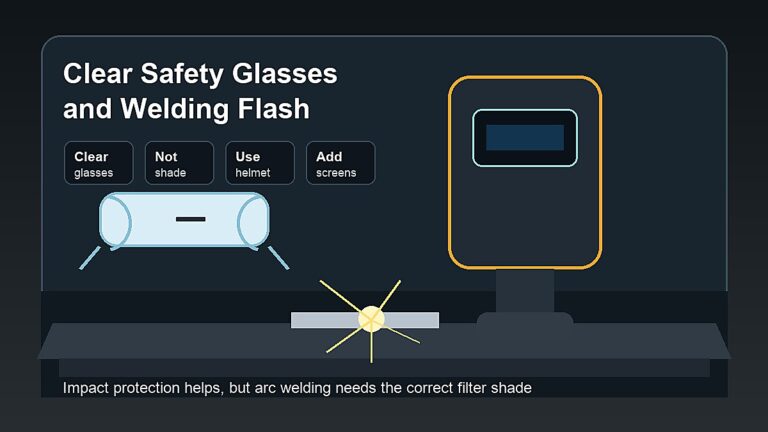
Grinding, cleaning, welding, and cutting can create fumes, dust, bright light, sparks, and hot metal. Use PPE, ventilation, eye protection, and fire control. Avoid welding unknown coatings or contaminated material.
Beginner Practice Plan for Chromoly
- Learn basic welding safety and mild-steel bead control first.
- Study Types of Welding Explained if you are unsure about TIG vs MIG.
- Get known chromoly scrap or coupons for practice.
- Practice cleaning and tight fit-up before welding.
- Run short TIG practice beads on scrap.
- Practice tube notching and tack welds.
- Ask an experienced welder or instructor to inspect your practice welds.
- Do not move into safety-critical work without qualified procedure and inspection.
What Beginners Should Not Weld in Chromoly
Some chromoly projects are not beginner projects. Avoid welding these unless you have training, procedure control, and inspection:
- Roll cages and race car chassis
- Aircraft parts or airframes
- Bicycle or motorcycle frames used for riding
- Suspension parts or steering parts
- Seat mounts, harness mounts, or occupant protection parts
- Load-bearing structures or lifting parts
How to Think About Chromoly Weld Quality
Chromoly weld quality is not only about whether the bead looks neat. Fit-up, cleaning, heat input, filler choice, joint design, cooling, and the service of the part all matter. A pretty weld on a poor joint can still be a bad weld. That is why chromoly is usually taught with procedure control instead of casual guesswork.
Beginners should separate practice from real use. Practice coupons help you learn torch angle, puddle size, filler rhythm, and travel speed. Real chromoly parts may need approved filler, preheat or post-weld requirements, inspection, and documentation depending on the application. If the part protects a person or carries load, treat it as professional work.
For foundation skills, review TIG Welding, Basic TIG Welding Techniques, and Welding Safety. If you are still choosing a process, compare MIG Welding and TIG Welding before practicing on chromoly scrap.
FAQ
Is chromoly hard to weld?
Chromoly is not impossible to weld, but it is less forgiving than basic mild-steel practice. The difficulty comes from fit-up, heat control, application requirements, and the fact that chromoly is often used in parts where failure matters.
Can beginners TIG weld chromoly?
Beginners can practice TIG welding chromoly on scrap after learning basic TIG control. They should not weld safety-critical chromoly parts without qualified training, a proper procedure, and inspection.
Can you MIG weld chromoly?
MIG can be used for some chromoly applications when the setup and procedure are correct, but beginners should not assume a general MIG setting is acceptable for critical chromoly work.
Do you need to preheat chromoly?
Preheat requirements depend on material thickness, joint design, filler, procedure, and application. Beginners should not guess. Follow qualified guidance for the specific job.
What is 4130 chromoly used for?
4130 chromoly is commonly used in tubing and parts where strength-to-weight matters, including motorsport, bicycles, aircraft, and performance fabrication. These applications often require more care than simple mild-steel projects.
Final Advice
Chromoly welding is a valuable skill, but it is not where most welders should start. Build fundamentals on mild steel, learn Welding Safety, study Beginner Welding Mistakes, and practice fit-up before welding real chromoly parts. When the job affects safety, use qualified training and inspection.