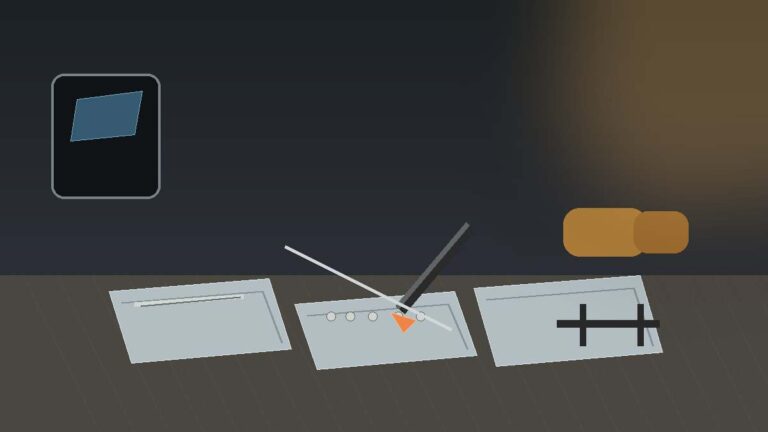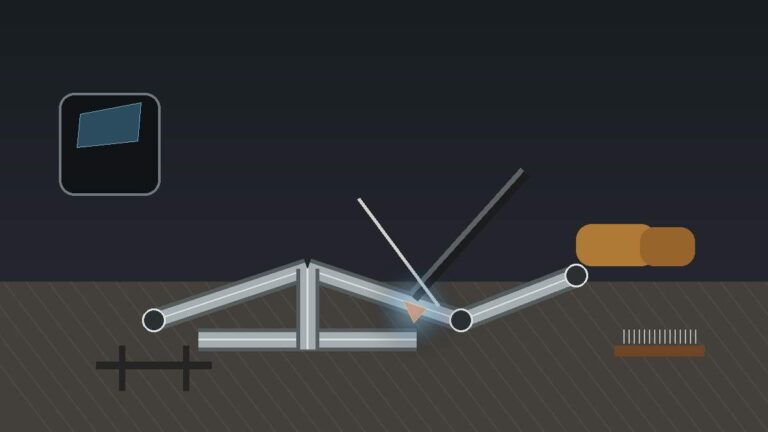
What Do Beginners Need to Start Welding? Starter Checklist
To start welding, a beginner needs a suitable process, a safe workspace, correct protective equipment and prepared practice material. Owning a welder is only one part of that setup. Decide where you can practise safely before buying a machine.
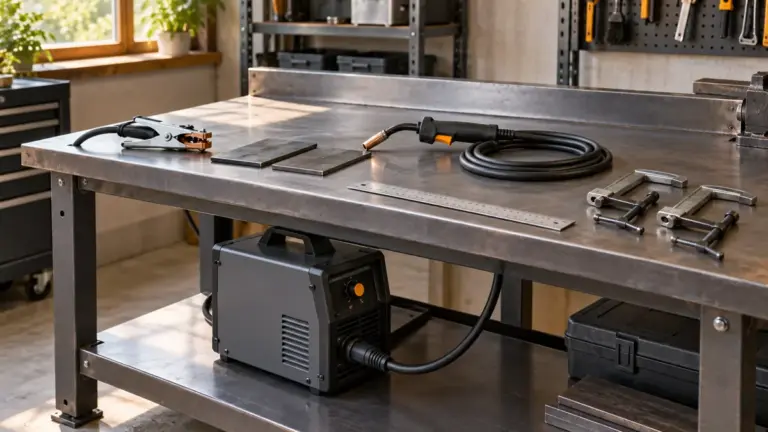
Check readiness in this order
| Step | What must be established |
|---|---|
| Workspace | Fire-safe work area, fume controls and protection for others |
| Supply | Electrical installation suitable for the selected equipment |
| Process | Machine, consumables and shielding that match the material |
| Protection | Appropriate eye, skin, hand, foot and other task protection |
| Workholding | Stable surface, clamps and safe hot-part handling |
| Learning | Noncritical scrap, instructions and competent feedback |
If one line is missing, solve it before treating the setup as ready. An extension lead or improvised table is not automatically suitable merely because a short weld is possible.
Choose the first practice material deliberately
Use known, clean mild steel appropriate to your process and machine. Keep pieces of the same thickness so you can compare results. Avoid galvanized, painted or unidentified scrap, sealed containers and parts that somebody will put back into service.
Collect the right consumable information: electrode or wire classification, diameter, polarity and operating guidance. Keep those details with your settings notes. If the consumable cannot be identified, do not guess from its appearance.
Plan a first session with one achievable goal
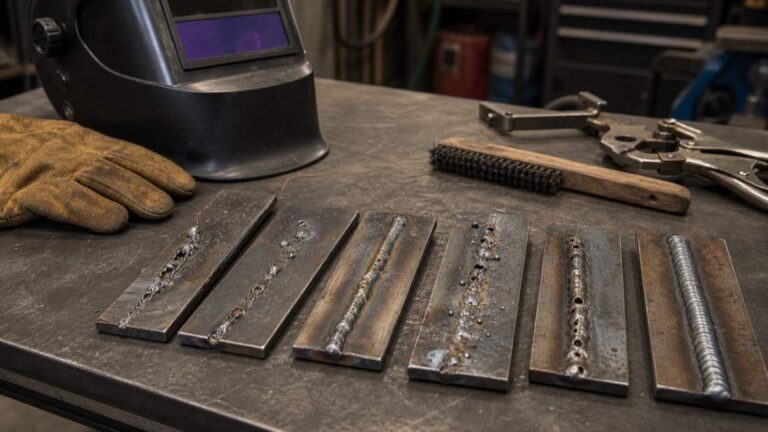
Set up, make a short practice run and inspect it after safe cooling and cleaning. The goal might be a steady bead on one coupon, rather than a finished object. Ask an instructor or competent welder to help you distinguish surface appearance from fusion.
Include time for shutdown, hot-metal handling and a post-work fire check. A good first session ends with the workspace safe, not with one last rushed weld.
Can I teach myself entirely from articles?
Articles help explain choices, but cannot inspect your workspace or technique. Practical training and competent feedback are especially valuable before any load-bearing work.
What can wait until later?
Specialty fabrication accessories can wait until you know why you need them. Correct protection, suitable power and fume/fire controls cannot.
Continue learning
Sources and limits
This is an educational reference. Follow the exact equipment and consumable instructions; safety-critical welding needs appropriate qualifications, procedures and inspection.