Home Welding Setup for Beginners: Tools, Safety, and Workspace
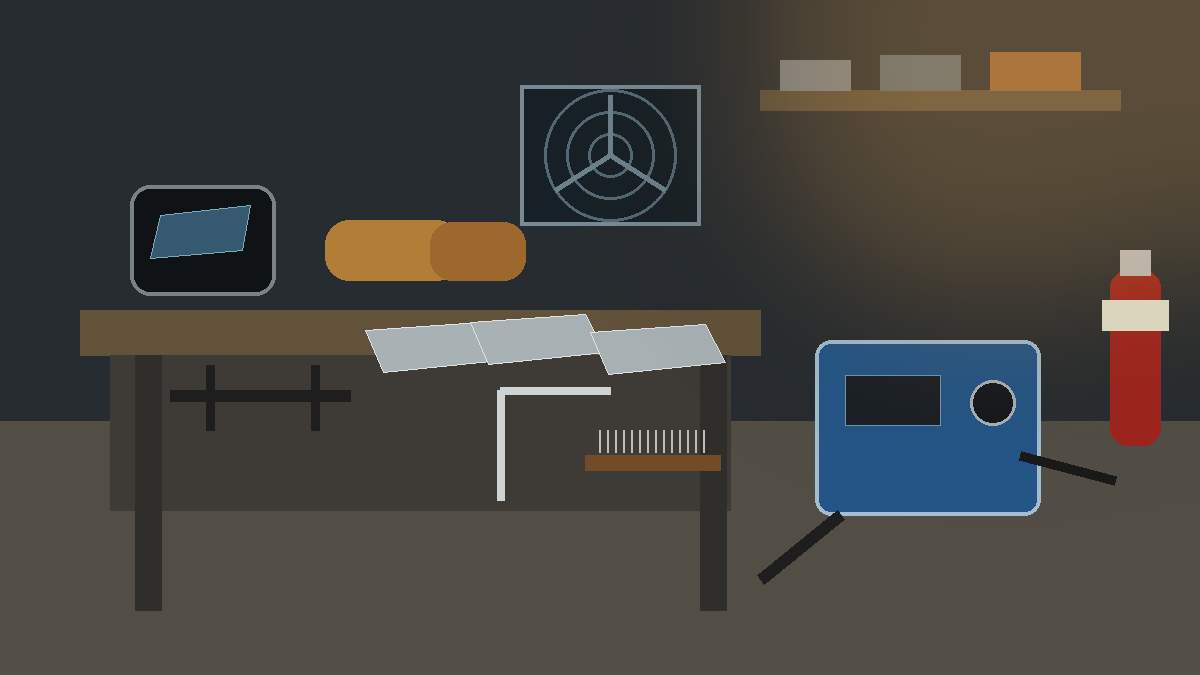
A safe home welding setup for beginners starts with more than a welding machine. You need a fire-safe workspace, proper PPE, ventilation or fume control, a stable work surface, clean metal, clamps, basic prep tools, and a plan for practicing on scrap before building real projects.
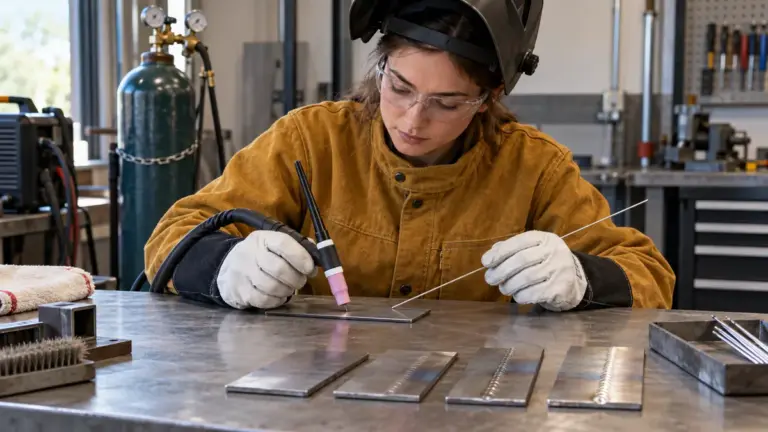
For most beginners, the best home welding setup is a small, organized garage or shop area with a 120V beginner welder, welding helmet, gloves, flame-resistant clothing, safety glasses, clamps, wire brush, grinder, fire extinguisher, and enough ventilation to keep fumes under control. The goal is not a fancy shop. The goal is a workspace where you can practice safely and repeat good habits.
Mark Dawson beginner note: do not strike an arc just because the welder turns on. Check the area for fire hazards, read the machine manual, set up PPE, and practice on scrap first. A small home shop can be a good learning space, but only if safety comes before convenience.
Quick Answer: What Do You Need for a Beginner Home Welding Setup?
A beginner home welding setup needs a suitable welder, welding helmet, gloves, flame-resistant clothing, safety glasses, ventilation, fire extinguisher, clean metal, clamps, a stable work surface, metal prep tools, and safe electrical power. Start with simple practice beads on scrap mild steel before building projects or attempting repairs.
- Most important safety items: helmet, gloves, safety glasses, fire-safe clothing, ventilation, and fire control.
- Most useful shop tools: clamps, grinder, wire brush, chipping hammer, square, and tape measure.
- Best first material: clean mild steel scrap.
- Best first practice: straight beads, lap joints, and T-joints.
1. Choose a Safe Welding Area
Your welding area should be dry, stable, and away from flammable materials. Sparks can travel farther than new welders expect, and hot metal can stay dangerous after the bead looks finished. Avoid welding near cardboard, sawdust, paint, gasoline, rags, solvents, or stored household items.
- Use a concrete floor when possible.
- Keep flammable materials away from the work zone.
- Make sure you can see and move around the workpiece.
- Keep children, pets, and bystanders away from the arc.
- Plan where hot parts will cool safely.
2. Set Up Fire Safety Before Welding
Fire safety is part of the setup, not something to think about after sparks start flying. Keep an appropriate fire extinguisher nearby, know how to use it, and check the area after welding. Sparks can smolder out of sight.
Do not weld on containers, tanks, drums, or unknown parts that may have held fuel, oil, chemicals, or pressure. That type of work can be extremely dangerous and is not beginner practice.
3. Get Proper Welding PPE
A home welding setup needs PPE that protects your eyes, skin, lungs, and hands. A welding arc can cause eye injury and burns. Grinding and chipping can send metal into your eyes even after the welding is done.
- Welding helmet with the correct shade or auto-darkening lens
- Safety glasses for grinding, brushing, and chipping
- Welding gloves matched to the process
- Flame-resistant jacket, sleeves, or cotton/wool clothing
- Closed-toe leather boots or suitable shop footwear
- Hearing protection when grinding or cutting
For more detail, start with Welding Safety before setting up a practice area.
4. Plan Ventilation and Fume Control
Welding fumes can be hazardous, especially when welding coated, painted, galvanized, oily, or unknown metal. Beginners should practice on clean mild steel and use ventilation suitable for the process and material. Do not assume an open door is always enough.
Keep your head out of the plume, avoid welding coated materials, and review safety guidance for the metal you are using. If you cannot control fumes, stop and improve the setup before welding.
5. Use a Stable Work Surface
A welding table is helpful, but beginners can start with a stable, nonflammable work surface designed for welding heat and clamping. Do not weld on a wooden bench, plastic table, or surface that can burn, melt, or tip over.
- Make sure the workpiece cannot move while welding.
- Leave room for clamps and a ground connection.
- Keep the table clear of clutter.
- Have a safe place for hot practice coupons.
6. Choose the Right Beginner Welder
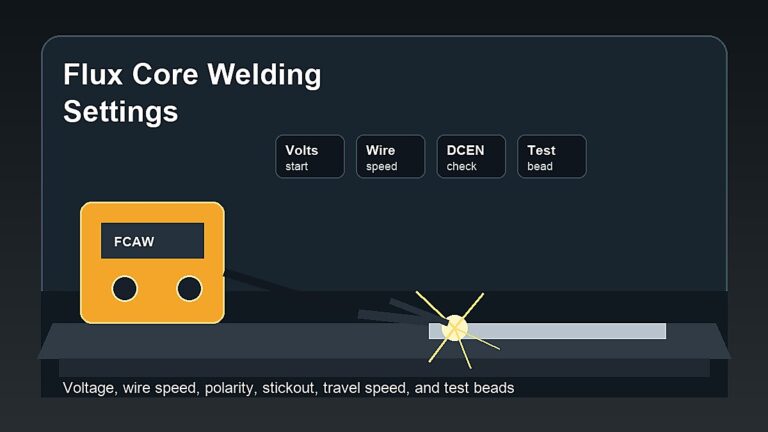
For home learning, many beginners start with MIG or flux core because wire-feed welding is easier to practice than TIG or stick for many first-time users. A 120V machine can be enough for practice beads and light mild-steel projects, but the right choice depends on your outlet, material thickness, and process goals.
If you are still deciding, read Types of Welding Explained. If you want to understand the basics first, start with What Is Welding?.
7. Check Power and Extension Cord Safety
Welders need suitable electrical power. Read the welder manual for input voltage, amperage, breaker requirements, and extension cord guidance. Undersized cords can cause voltage drop, poor performance, and heat buildup.
Do not guess on electrical setup. If you need a new circuit or 240V outlet, use a qualified electrician. Keep cords away from sparks, sharp metal, and hot workpieces.
8. Gather Basic Tools for Home Welding Practice
- Clamps and locking pliers
- Wire brush and chipping hammer
- Angle grinder with appropriate wheels
- Measuring tape and marker
- Square or magnetic angle guide
- Welding magnets for light layout work
- Extra contact tips, nozzles, rods, wire, or consumables
- Metal storage bin for scrap practice pieces
Keep the tool list simple at first. Spend more time practicing beads and fit-up than buying accessories you do not understand yet.
9. Start With Clean Scrap Metal
Clean mild steel is the best first practice material for most beginners. Avoid painted, oily, galvanized, rusty, or unknown metal until you understand the hazards and preparation requirements. Dirty metal can cause porosity, spatter, poor fusion, and unsafe fumes.
If you need project ideas, read Beginner Welding Projects. Start with practice coupons before making anything that needs strength.
Beginner Home Welding Setup Checklist
| Setup Area | What to Check |
|---|---|
| Workspace | Dry, stable, uncluttered, and away from flammables |
| Fire safety | Fire extinguisher nearby and hot-work area checked after welding |
| PPE | Helmet, gloves, safety glasses, flame-resistant clothing |
| Ventilation | Fume control suitable for material and process |
| Power | Correct outlet, breaker, and cord for the welder |
| Workholding | Stable table, clamps, and clean ground connection |
| Practice metal | Clean mild steel scrap, not coated or unknown metal |
First Practice Plan for a Home Welding Setup
- Read the welder manual and safety instructions.
- Put on PPE and clear the work area.
- Clean mild steel scrap and clamp it securely.
- Set the machine using the chart or manual.
- Run straight beads and write down settings.
- Practice lap joints and T-joints.
- Inspect your welds and compare them to Beginner Welding Mistakes.
- Move to small non-critical projects only after practice beads improve.
What Not to Weld at Home as a Beginner
Some jobs should not be beginner home practice. Avoid welding anything where failure could injure someone or damage property.
- Vehicle frames, steering, suspension, or brake parts
- Trailer frames, hitches, or load-bearing repairs
- Pressure vessels, tanks, drums, or sealed containers
- Lifting points, hooks, hoists, or overhead supports
- Railings, stairs, structural beams, or platforms
- Gas cylinders or cylinder carts unless properly designed and inspected
FAQ
Can I weld at home as a beginner?
Yes, you can practice welding at home if you have a safe workspace, proper PPE, ventilation, fire control, suitable power, and clean practice metal. Do not start with safety-critical repairs.
What is the best welder for a home beginner setup?
Many beginners start with MIG or flux core because wire-feed welding is easier to practice. The best machine depends on your outlet, budget, material thickness, and whether you want gas or no-gas welding.
Can I weld in my garage?
A garage can work if it is fire-safe, ventilated, dry, and cleared of flammable materials. Keep vehicles, fuel, paint, cardboard, and stored items away from sparks and hot metal.
Do I need ventilation for home welding?
Yes. Welding fumes can be hazardous. Ventilation or fume control should match the process, material, and workspace. Avoid welding coated, painted, galvanized, or unknown metals as a beginner.
What should I weld first at home?
Start with straight beads on clean mild steel scrap. Then practice lap joints, T-joints, and small non-critical projects such as hooks, bookends, or shop organizers.
Final Advice
A good home welding setup for beginners is simple, clean, and safety-first. You do not need every tool on day one, but you do need PPE, fire control, ventilation, stable workholding, and clean practice metal. Build your setup around safe repetition, and your welding skills will improve faster.