Can You Hold a Welding Rod While Welding?

Can you hold a welding rod while welding? You should hold the insulated electrode holder, not the bare live welding rod. A stick welding electrode becomes part of the welding circuit when the machine is on, and touching live metal with poor gloves, wet clothing, sweaty skin, or contact with the workpiece can increase electric shock and burn risk.
There are moments when a welder may touch a rod before welding, such as loading it into the holder while the machine is off or positioning an unused electrode safely. That is different from grabbing the bare metal of a live electrode during welding. Beginners should treat the electrode and holder as energized whenever the machine is on.
Mark Dawson beginner note: if you feel tempted to steady the rod with your other hand, stop and fix the real problem. Use the correct electrode holder, dry gloves, shorter rod control, better body position, and more practice instead of putting your hand near live metal or the arc.
Quick Answer
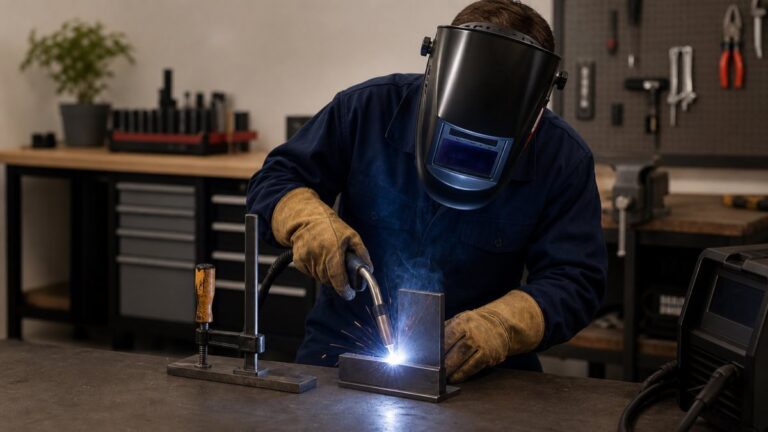
No, beginners should not hold the bare welding rod while welding. Hold the insulated electrode holder and keep your hands protected with dry welding gloves. The rod can become electrically live, hot, and close to arc flash, sparks, and molten slag. For better control, improve holder angle, arc length, body position, and practice technique rather than holding the rod by hand.
| Situation | Safe Beginner Answer | Why It Matters |
|---|---|---|
| Loading a rod | Use dry gloves and insert it into the holder | Avoid contact with live parts |
| Welding with stick electrode | Hold the insulated electrode holder | The rod is part of the circuit |
| Rod gets short | Stop and replace the stub safely | Short stubs get hot and harder to control |
| Need steadier control | Practice holder angle and body position | Do not steady live metal by hand |
Why Holding the Bare Rod Is Risky
Stick welding works by sending current through the electrode and across an arc to the workpiece. The electrode holder grips the rod and connects it to the welding lead. The bare end of the rod is not a handle. It can be electrically connected, hot, and close to sparks, slag, and ultraviolet radiation.
Shock risk increases when your gloves are wet, your clothing is damp, you are sweating, you are kneeling on metal, or your other hand touches the workpiece. Even low welding circuit voltage can be dangerous in the wrong conditions. Wet work areas and confined positions make the risk worse.
Burn risk is also real. The electrode heats quickly near the arc. A short stub can be hot enough to burn through light gloves. Slag and sparks can land on your hand, and the arc can injure skin and eyes if you are not protected.
What You Should Hold Instead
Hold the insulated electrode holder. A proper electrode holder is made to grip the rod while keeping your hand away from live metal. The jaws should hold the electrode firmly, and the insulated handle should be in good condition. Cracked, loose, overheated, or damaged holders should be replaced.
Use dry welding gloves, not thin shop gloves. Stick welding gloves protect against heat, sparks, and electrical contact better than casual work gloves. Gloves should be dry, intact, and free of oil. Wet leather can conduct electricity more easily and should not be used for welding.
For holder setup, rod selection, and amperage basics, read Welding Rod Specifications Explained for Beginners, How to Choose Welding Rod Size, and 1/8 Welding Rod Amperage Chart for Beginners.
Can You Touch the Flux Coating?
The flux coating is not a safe handle during welding. It may seem less metallic than the core wire, but the electrode is still part of the welding setup, and the coating can crack, crumble, heat up, or become contaminated. Relying on the flux coating as insulation is a bad beginner habit.
Before the rod is clamped and before welding starts, you may handle electrodes with dry gloves to load or store them. Once the rod is in the holder and the machine is on, treat it as live. Keep your free hand away from the rod, electrode holder jaws, workpiece, and clamp path.
What About Holding a Short Rod Stub?
Short stubs are a common beginner problem. As the electrode burns shorter, the holder moves closer to the arc, the heat increases, and control gets harder. Beginners sometimes try to hold or steady the remaining rod because it feels awkward. That is a sign to stop.
Let the arc go out, keep your helmet down until the arc is finished, and place the hot stub safely where it cannot start a fire or burn someone. Then load a fresh rod. Trying to squeeze every last inch from a hot electrode is not worth the risk.
How to Get Better Control Without Holding the Rod
- Hold the electrode holder close enough for control, but on the insulated handle.
- Brace your welding hand or forearm on a safe, insulated position when possible.
- Keep your body balanced before striking the arc.
- Use a rod diameter that matches your skill and machine.
- Practice short beads before trying long welds.
- Keep the arc short and steady.
- Replace rods before the stub becomes awkward.
Control comes from practice, not grabbing the rod. If the electrode shakes, check whether the holder is too heavy, the rod is too large, your work is positioned poorly, or your body is stretched. Welding should not feel like you are reaching at full extension.
Electric Shock Conditions Beginners Miss
Shock risk is not only about touching the rod. It can also come from kneeling on metal, leaning against the workpiece, welding in wet areas, damaged leads, bad insulation, or a poor return clamp setup. The more your body becomes part of a path between electrical points, the worse the situation becomes.
Keep yourself dry and insulated from the work and ground when possible. Check leads and holders before welding. Place the work clamp close to the weld area on clean metal. Do not weld while standing in water, wearing wet gloves, or using damaged equipment.
Wet Gloves and Damp Work Areas
Dry gloves are not just about comfort. Wet leather, sweaty gloves, damp sleeves, or standing on a wet floor can make electric shock more likely. Beginners sometimes keep welding after gloves get damp because the machine still runs. That is a bad trade. Stop, dry the area, and use dry PPE.
Outdoor work adds extra risk. Rain, wet grass, damp concrete, and metal gates can put your body in a worse electrical path. Stick welding may be useful outdoors, but that does not mean every outdoor condition is safe. Keep the work area dry enough for welding, and do not weld during rain or while standing in water.
Sweat can matter too. In hot weather, change gloves if they become soaked. Keep your sleeves closed, avoid resting bare skin on metal, and take breaks before fatigue makes you careless around the holder and workpiece.
Inspect the Electrode Holder
A safe holder should have solid insulation, firm jaws, and a secure cable connection. Look for cracked handles, exposed metal where your hand rests, burnt insulation, loose springs, and jaws that no longer grip the rod. A holder that lets the rod wobble can make beginners reach for the electrode to steady it.
Replace damaged holders instead of taping over serious problems. Tape can hide damage without restoring real insulation or grip. The holder is the part you touch the most, so it deserves more attention than beginners usually give it.
Work Clamp and Current Path
The work clamp should be attached to clean metal close to the weld area. A poor clamp connection can create unstable welding, overheating, and stray current paths. Clean the clamp spot, tighten the clamp, and keep the cable routed where it will not be damaged by sparks, hot metal, or grinding.
Your body should never become the convenient bridge in the circuit. Avoid placing one hand on the workpiece while the other hand is near the holder. Keep your free hand out of the current path, especially when your gloves or clothing are damp.
Safe Rod Loading Steps
- Make sure your gloves are dry and intact.
- Keep the electrode holder pointed away from your body.
- Open the holder jaws and insert the correct end of the rod.
- Clamp the rod securely at a comfortable angle.
- Keep fingers away from the jaws and bare conductive parts.
- Check that the work clamp is secure before striking an arc.
- Put your helmet down before starting the weld.
If the holder does not grip the rod firmly, stop and fix it. A loose rod can slip, arc in the wrong place, or make the weld harder to control. Damaged holders are not worth fighting.
Rod Choice Can Affect Control
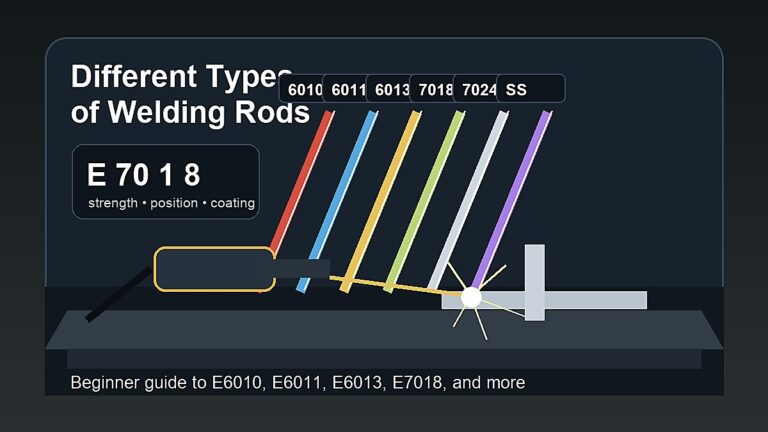
Some rods are easier to control than others. A 6010 or 6011 rod can feel more forceful. A 7018 rod can feel smoother but has heavier slag and storage requirements. A rod that is too large for the metal or machine can feel clumsy and make beginners want to steady it with the other hand.
Choose a rod that matches your practice goal. Smaller rods can be easier on thinner steel and lower-output machines. Larger rods need more heat and steadier control. For low-hydrogen rods, storage also matters; read How Should Low Hydrogen Electrodes Be Stored? before using 7018 on important work.
Good Practice Position for Beginners
Set the work at a comfortable height before striking an arc. Your wrist should not be twisted, your elbow should not be floating far from your body, and your helmet should let you see the joint clearly. A stable stance reduces the urge to grab the rod with the other hand.
Run short beads first. Stop before the rod becomes too short, chip the slag after it cools enough to do safely, and check the bead. Short controlled practice teaches more than fighting a long awkward weld while your hand is tired.
Common Beginner Mistakes
- Touching the bare rod while the machine is on.
- Using wet gloves or damp sleeves.
- Holding the electrode holder too close to damaged jaws.
- Welding with cracked holder insulation.
- Trying to burn a rod down to a tiny hot stub.
- Leaning on the workpiece with the free hand.
- Ignoring shock risk because the machine is small.
- Practicing around flammable clutter.
The safer habit is simple: one hand controls the insulated holder, the other hand stays away from live metal and the work circuit unless the task is safely stopped. Reposition only after the arc is out and the rod is under control.
What to Do if You Feel a Shock or Get Burned
Stop welding immediately if you feel a shock, tingling, unusual current sensation, or burn. Turn off the machine when it is safe to do so, set the holder down safely, and inspect gloves, clothing, holder insulation, cables, work clamp, and the work area. Do not continue until the cause is found.
For burns, cool the area with clean cool water and follow appropriate first-aid guidance. Serious burns, eye exposure, electrical shock symptoms, chest pain, confusion, or ongoing pain need medical attention. Welding injuries can be more serious than they first look.
After any shock incident, treat the setup as unsafe until proven otherwise. A damaged lead, wet glove, bad holder, poor insulation, or bad work position can repeat the problem. Beginners should ask an experienced welder, instructor, or qualified person to check the setup before continuing.
Safety Notes
Stick welding can involve electric shock, arc flash, burns, fumes, hot slag, flying slag, sparks, and fire. Use a properly shaded welding helmet, safety glasses, dry welding gloves, flame-resistant clothing, ventilation, secure clamping, and a fire-safe workspace.
Review OSHA welding hazards guidance, OSHA welding fume guidance, and AWS safety resources. For a broader beginner safety guide, read Arc Welding Safety.
FAQ
Can you touch a welding rod with gloves?
You can handle rods with dry gloves while loading or storing them, but you should not hold the bare live rod while welding. Use the insulated electrode holder.
Can a stick welding rod shock you?
Yes, shock is possible because the rod is part of the welding circuit. Wet gloves, damp clothing, damaged insulation, or contact with the workpiece can increase risk.
Why do welding rods get hot?
The rod conducts current and melts near the arc. The remaining stub can also become hot, especially when it gets short and close to the weld area.
Should I weld with one hand or two hands?
Control the insulated electrode holder safely. Do not use your second hand to hold bare live rod metal. Brace only in a safe position away from live parts and hot metal.
What should I do if the rod sticks?
Break the arc safely, keep your gloves dry, and avoid grabbing bare metal. Check amperage, polarity, arc length, rod condition, and metal prep before trying again.
Final Advice
Hold the insulated electrode holder, not the bare welding rod, while welding. Treat the rod as live when the machine is on, keep your gloves dry, replace short hot stubs, and build control through practice. That one habit reduces shock, burn, and arc-flash risk for beginners.