
Welding basics begin with three things: understanding the process, controlling the hazards, and practicing one skill at a time. This learning hub brings together the foundational guides a new welder needs before choosing equipment or attempting a real repair.
Start with clean mild steel, a suitable welding machine, proper personal protective equipment, and a fire-safe work area. Learn what the arc and weld pool are doing before worrying about a perfect-looking bead. The aim is repeatable control, not simply making two pieces of metal stick together.
Your Beginner Welding Roadmap
1. Learn what welding does
Read What Is Welding? for the foundation: how heat forms a weld pool, why filler metal may be added, how shielding protects molten metal, and which terms appear in machine manuals and training material. This is the pillar guide for the Welding Basics cluster.
2. Compare the main processes
Use Types of Welding Explained to compare MIG, TIG, stick, and flux core welding. MIG is often approachable for clean indoor steel projects. Self-shielded flux core is useful when a gas cylinder is inconvenient. Stick suits rugged outdoor work, while TIG offers more control but requires more coordination. The right starting process depends on the material, workspace, available power, and type of project.
3. Build a safer workspace
A home welding setup needs more than a machine and helmet. Plan for ventilation or suitable fume control, electrical requirements, a stable metal work surface, clamps, fire prevention, safe cylinder handling where applicable, and a place for hot material to cool. Remove combustible storage before welding and read the manufacturer instructions for the exact machine and consumables.
4. Practice and evaluate
Run straight beads on cleaned scrap before joining parts. Record the material thickness, machine setting, wire or rod, polarity, travel speed, and result. Then move to simple lap, T-, and butt joints. The guide to beginner welding mistakes helps diagnose poor preparation, random settings, weak fit-up, excessive travel speed, and unsafe habits. When your practice becomes consistent, try a low-risk idea from the beginner welding projects collection.
Choose a Welding Process to Study
MIG Welding
Learn wire, shielding gas, polarity, voltage, wire-feed speed, torch angle, and basic shop technique.
Stick Welding
Understand electrode choice, amperage, arc length, polarity, slag removal, and outdoor repair practice.
TIG Welding
Study tungsten, shielding gas, torch control, filler rod, heat input, stainless steel, and aluminum basics.
Flux Core Welding
Learn self-shielded wire setup, polarity, slag, spatter control, outdoor use, and beginner troubleshooting.
Safety Before the First Arc
Welding can expose you to burns, ultraviolet radiation, electric shock, fire, fumes, compressed gas, sharp edges, hot metal, and grinding debris. Wear a suitable welding helmet, safety glasses, welding gloves, and flame-resistant clothing. Keep the work area dry and clear of combustible material. Identify coatings and base metals before applying heat, and never weld on a sealed or unknown container.
The Welding Safety hub provides the next layer of guidance, including PPE, eye protection, ventilation, fumes, fire prevention, and workshop controls. Educational articles do not replace qualified instruction, workplace procedures, local requirements, manufacturer manuals, or professional inspection. Structural, vehicle, trailer, lifting, pressure, and other safety-critical work should not be treated as beginner practice.
Latest Welding Basics Guides
-
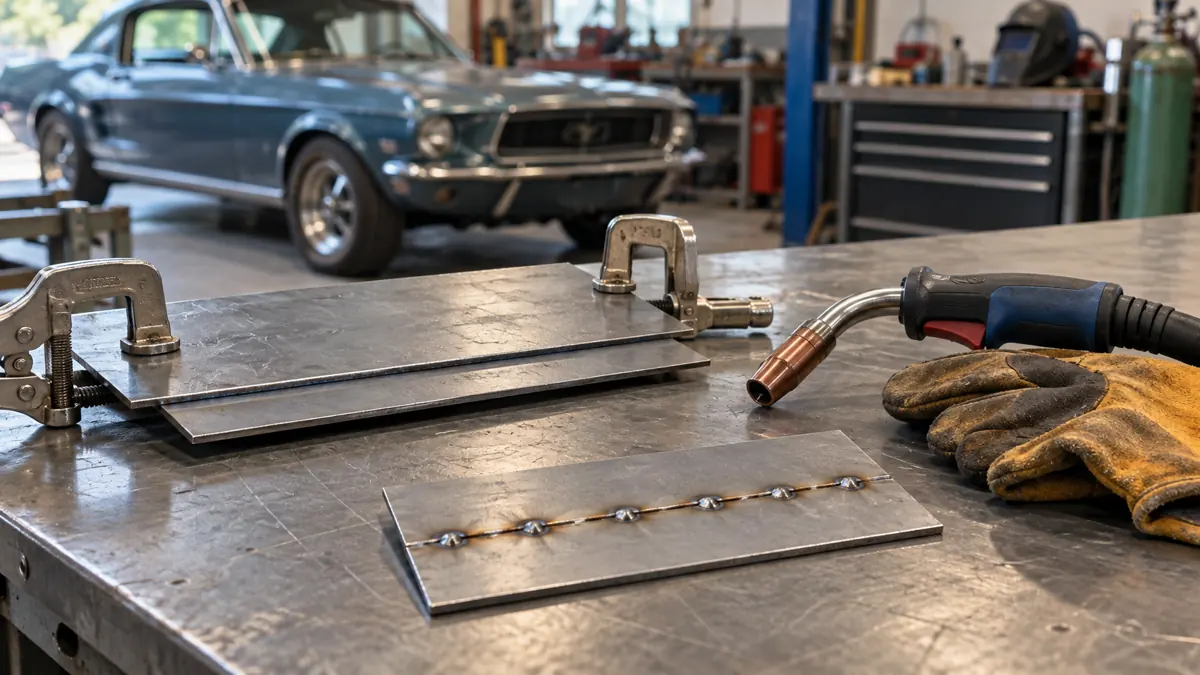
How to Weld on a Car for Beginners
Plan automotive welding around the exact vehicle procedure, then practise comparable sheet-metal joints before deciding whether you are ready for the repair.
-
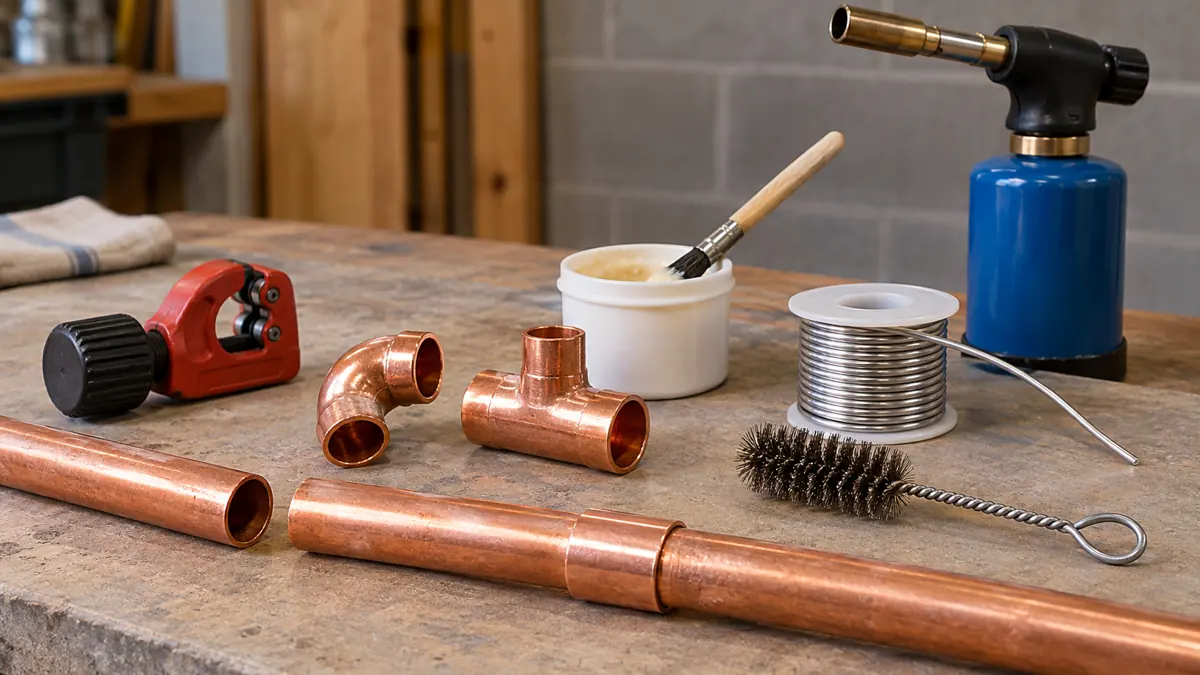
How to Solder Copper Pipe for Beginners
A practical copper-pipe soldering guide covering preparation, flux, heat control, solder flow, cleanup and checks, with a simple first practice exercise.
-
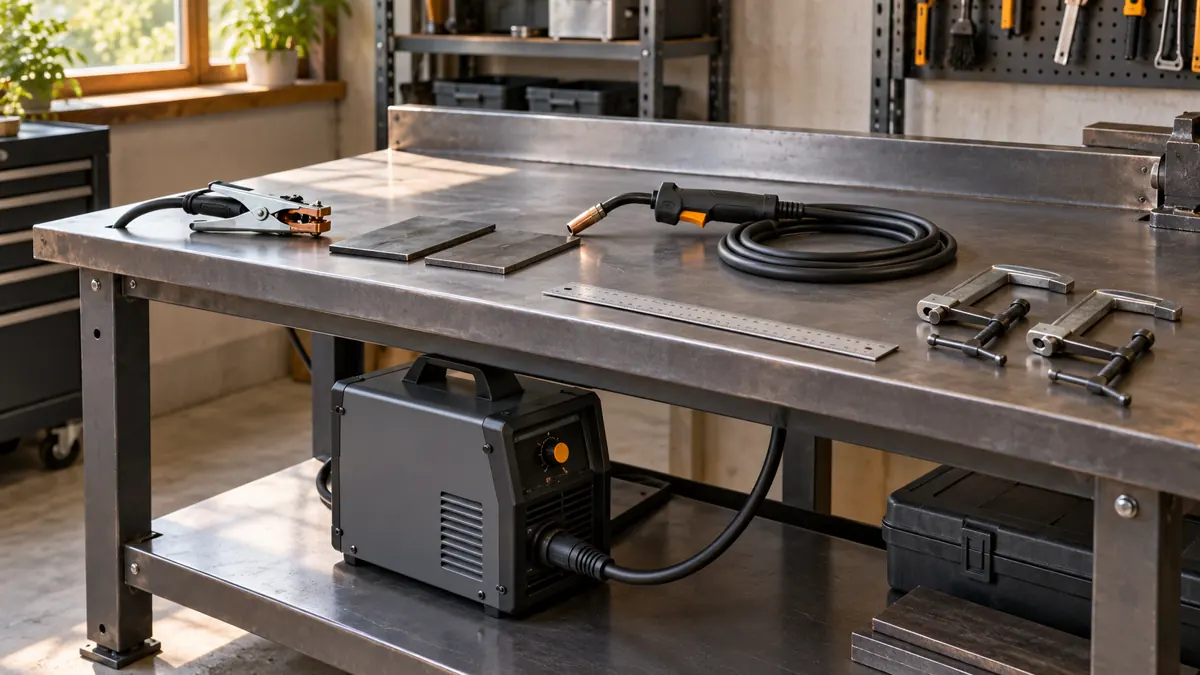
Beginner Welding Setup Checklist
Prepare and close down a beginner welding session with checks for the workspace, equipment, workholding, protection and practice task.
-
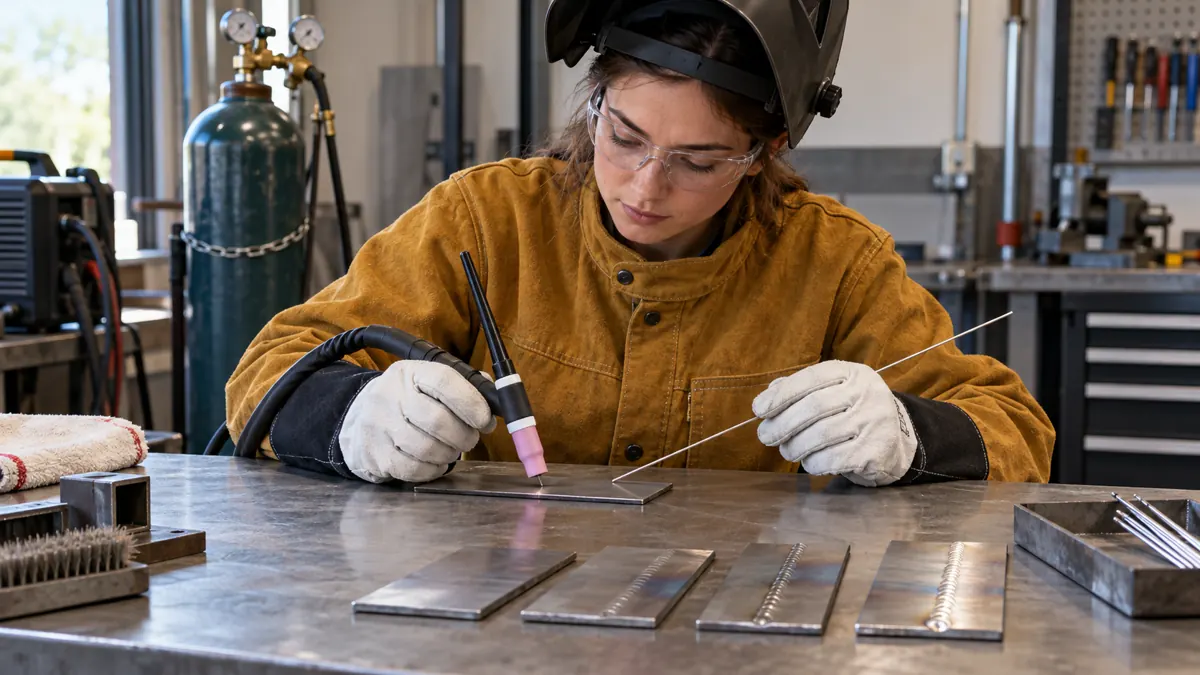
Welding for Beginners: Practice Roadmap
A staged welding practice roadmap: repeatable setup, controlled starts, practice beads, simple joints and a useful feedback log.
-
Beginner Welding Mistakes and How to Avoid Them
The most useful way to learn from beginner welding mistakes is to connect an observable problem to a check you can repeat. Do not…
-
Easy Welding Projects for Beginners
A good first welding project has few parts, visible joints and little consequence if a weld fails. Choose decorative or practice objects before furniture,…
Welding Basics FAQ
What type of welding should a beginner learn first?
MIG is often an approachable choice for clean steel in a sheltered shop. Self-shielded flux core may suit outdoor practice or a setup without gas. Stick can fit thicker outdoor repair work. Choose according to the project and workspace rather than a universal claim.
Can I learn welding at home?
You can study the fundamentals and practice non-critical beads at home if the workspace, power, ventilation, PPE, fire controls, machine setup, and supervision are suitable. Formal instruction is strongly recommended, especially before important repairs.
What metal is easiest for beginner welding practice?
Clean mild steel of a manageable thickness is generally easier for beginners than aluminum, stainless steel, coated metal, or very thin sheet. Match the practice coupons to the process and capability of the machine.
How long does it take to learn basic welding?
Basic machine setup and straight beads may improve within several focused sessions, but consistent joints, defect recognition, position work, and job-ready skill take much longer. Progress depends on instruction, practice quality, feedback, process, and material.