Can You Touch a Welding Rod During Stick Welding?

Can you touch a welding rod during stick welding? You should not touch the bare metal electrode, electrode holder jaws, or workpiece with bare skin while the stick welder is on and ready to weld. The rod can be electrically live, extremely hot, or both. Touching it the wrong way can cause electric shock, burns, or a reflex movement that creates another injury.
Stick welding, also called SMAW, uses a flux-coated electrode rod held in an electrode holder. Current flows from the machine through the holder and rod to create the arc. That means the rod is part of the welding circuit. Treat it with respect even before the arc starts.
Mark Dawson beginner note: a dry welding glove is not an excuse to grab live parts casually. Use the holder as the handle, keep gloves dry, and turn the machine off when adjusting anything that feels unsafe.
Quick Answer
Do not touch a welding rod with bare hands during stick welding. When the welder is on, the electrode can be live. After welding, the rod stub can be hot enough to burn through gloves or skin. You can handle unused rods before welding, and you can change rods by holding the insulated electrode holder and using dry gloves, but never treat a live rod like a harmless piece of wire.
| Situation | Safe? | Beginner Note |
|---|---|---|
| Touch unused rod before welding | Usually yes | Keep rods dry and undamaged |
| Touch live rod bare-handed | No | Shock and burn risk |
| Change rod with dry gloves | Yes, carefully | Use insulated holder and avoid live contact |
| Grab hot rod stub | No | Can burn through gloves |
| Touch workpiece while welding | Risky | Can complete shock path |
Why the Welding Rod Can Shock You
In stick welding, the electrode is connected to one side of the welding circuit. The work clamp is connected to the other side. When the rod touches the workpiece and the circuit is completed, the arc can start. If your body becomes part of a path between live parts, shock is possible.
The open-circuit voltage on a welding machine is usually much lower than household mains voltage, but it can still be hazardous, especially in wet conditions, cramped positions, damaged equipment, or contact with bare skin. A painful shock can also make you jerk your hand into hot metal, sharp edges, or moving tools.
For a wider safety foundation, read Arc Welding Safety and Stick Welding.
Dry Gloves Matter
Welding gloves protect against heat, sparks, and incidental contact, but they are not magic. Wet gloves can conduct electricity better than dry gloves. Sweat, rain, damp floors, wet sleeves, and soaked leather all increase risk. If your gloves are wet, stop and replace or dry them before welding.
Do not hold the rod with one hand while touching the table, workpiece, or clamp with the other. That can create a path through your body. Keep your hands on insulated parts and stay aware of what your other hand, knees, elbows, and torso are touching. Good body position is part of electrical safety.
What Parts Are Safe to Touch?
Before welding, unused rods can be handled normally if they are cool, dry, and clean. During setup, the insulated handle of the electrode holder is the part meant to be held. The bare rod, holder jaws, work clamp contact area, and workpiece should be treated as part of the electrical and heat hazard zone.
After welding, the remaining electrode stub may look harmless but can be extremely hot. Drop it in a safe metal container or place it where it cannot burn gloves, cords, hoses, clothing, or a workbench. Do not toss hot stubs onto the floor where someone can step on them.
Changing Rods Safely
- Stop welding and move the holder away from the workpiece.
- Keep your gloves dry and avoid touching bare metal parts.
- Release the old stub using the insulated holder mechanism.
- Drop hot stubs into a safe metal container.
- Insert the new rod into the holder securely.
- Check that the flux is not cracked near the holder.
- Return to the work only when your grip and position are stable.
If the holder is damaged, loose, cracked, or missing insulation, replace it. A cheap holder is not worth shock or burn risk. Inspect leads and holders as part of your regular setup.
What If the Rod Sticks?
Rod sticking is common when beginners learn stick welding. The electrode touches the workpiece and stays stuck instead of starting a clean arc. When that happens, do not grab the rod with your bare hand. Keep hold of the insulated electrode holder and twist or break the rod free carefully.
If the rod stays stuck, stop and turn off the machine before working close to the electrode. A stuck rod can heat quickly. The holder, rod, and workpiece may all be in awkward positions, and a sudden release can make your hand hit hot metal or sharp edges.
Sticking usually points to low amperage, poor arc-start technique, dirty metal, damp rods, or the wrong rod for the machine. Fix the cause instead of developing the habit of touching live parts.
Electrode Holder Safety
The electrode holder is designed so your hand grips insulation instead of live metal. That insulation needs to be intact. Cracks, missing pieces, loose jaws, burned areas, and exposed conductive parts are reasons to stop using the holder.
Do not clamp the holder under your arm, hold it between your knees, or rest it on your lap while changing position. A live holder can strike an arc against the table or workpiece if it slips. Put it somewhere stable and away from grounded metal when you pause.
When inserting a rod, make sure it is held firmly at the correct angle in the jaws. A loose rod can move, overheat the contact area, or fall out when you start the arc.
Body Position and Shock Path
Shock risk depends on the path current can take through your body. Touching the electrode with one hand and the workpiece with the other is worse than touching one point only. Kneeling on damp ground, leaning on a steel table, or bracing against the work can create extra contact paths.
Keep your body insulated from the work when practical. Use dry gloves, dry boots, and a dry work area. Avoid wrapping leads around your body. Keep the electrode holder hand and the other hand away from bare conductive parts while the machine is on.
Hot Rods and Rod Stubs
The rod gets hot during welding because it carries current and melts into the weld. The stub can stay hot after the arc stops. It may also have sharp flux edges or hot slag attached. Beginners often get burned not by the arc itself, but by touching metal that stopped glowing and looked safe.
Use pliers if you need to move a hot stub. Keep rod stubs away from pockets, sleeves, plastic toolboxes, air hoses, and extension cords. A hot stub can melt insulation and create a later electrical hazard, especially in a crowded home shop.
Touching the Workpiece While Welding
The workpiece is part of the welding circuit. Touching it with bare skin while welding is a bad habit, especially if you are also touching the electrode holder, table, clamp, or grounded metal. Use clamps, magnets, fixtures, or pliers to position work instead of your fingers.
Small coupons heat quickly. A part can burn you even if the weld is on the other end. Let metal cool, mark hot pieces, and assume recently welded steel is unsafe to grab.
Bare Rod End vs Flux Coating
A stick electrode has a metal core covered in flux. The bare end that goes into the holder is intentionally exposed so the holder can make electrical contact. The other end may be scraped or touched to start the arc. Both ends should be treated carefully when the machine is on.
The flux coating is not a safe handle during welding. It can crack, chip, get hot, or expose conductive metal. It can also leave dust or fragments on your gloves. Hold the insulated electrode holder, not the rod, when positioning for a weld.
Unused rods can be handled while setting up, but keep them dry and avoid damaging the flux. A cracked coating can affect arc stability and shielding. A damp rod can make the arc harder to control and may increase weld quality problems.
Common Myths About Touching Welding Rods
One myth is that welding voltage is too low to matter. That is unsafe thinking. Welding machines can still shock you, especially when moisture, bare skin, damaged insulation, or awkward body contact is involved.
Another myth is that gloves make every contact safe. Gloves reduce risk, but only when they are dry, intact, and used correctly. Wet leather, holes, metal dust, and burned spots reduce protection.
A third myth is that the rod is safe once the arc stops. The electrical risk may drop when you stop welding, but the heat risk remains. Rod stubs and fresh welds can burn long after they look ordinary.
Wet Conditions Are Extra Dangerous
Rain, sweat, wet ground, damp gloves, and wet clothing increase shock risk. Outdoor stick welding is common, but that does not mean welding in wet conditions is safe. Stand on dry insulation when appropriate, keep equipment dry, and stop if water becomes part of the work area.
If you feel tingling, buzzing, repeated small shocks, or strange current paths, stop immediately. Turn off the machine and inspect gloves, leads, holder, clamp, work area, and moisture sources before continuing.
Outdoor Stick Welding and Moisture
Stick welding is popular outdoors, but outdoor does not mean wet. Morning dew, wet grass, muddy ground, rain, sweat, and damp gloves all make the work less forgiving. If the job cannot stay dry, postpone it or set up a safer dry work area.
Use dry surfaces for standing and kneeling when appropriate, keep rods in a dry container, and protect the machine from weather. Do not place electrode holders, rod stubs, or leads in puddles or wet grass. Moisture turns small mistakes into bigger hazards.
What to Do After a Shock
If you receive a shock, stop welding. Turn off the machine, step away from the work, and check yourself before restarting. Even if the shock felt small, it is a warning that something about moisture, contact, insulation, or setup needs attention.
Inspect gloves, sleeves, boots, the holder, leads, clamp, and the work area. Look for damaged insulation, wet leather, bare skin contact, poor clamp placement, and awkward body position. If symptoms feel serious, unusual, or involve chest pain, confusion, burns, or loss of consciousness, get medical help immediately.
Common Beginner Mistakes
- Holding the rod near the bare end while the machine is on.
- Changing rods with wet gloves.
- Touching the table or workpiece with the other hand.
- Letting hot stubs fall onto cords or hoses.
- Using a cracked electrode holder.
- Welding in damp clothing or on wet ground.
- Assuming low voltage means no shock risk.
- Touching fresh welds or stubs before they cool.
Beginner Safety Checklist
- Inspect the holder, leads, clamp, and machine before welding.
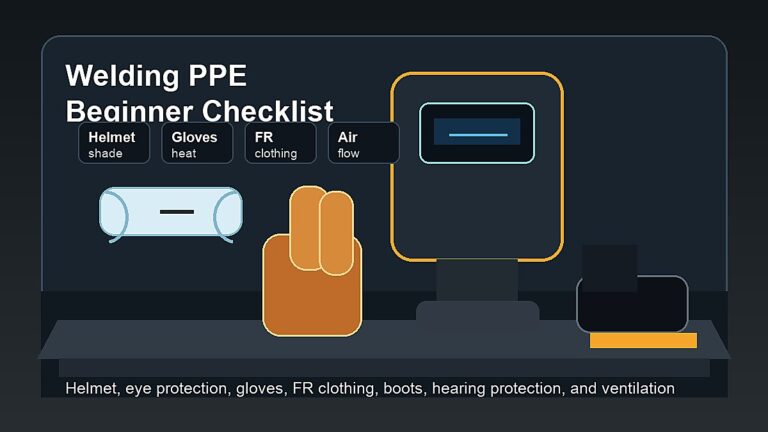
- Wear dry welding gloves and flame-resistant clothing.
- Keep bare skin away from the rod, holder jaws, and workpiece.
- Use clamps instead of fingers to hold parts.
- Keep your body out of the electrical path.
- Put hot rod stubs in a safe metal container.
- Stop immediately if you feel shock or tingling.
- Review the machine manual before changing setup.
For rod and amperage basics, use the Arc Welding Rod Size Chart. For process pros and cons, read Advantages and Disadvantages of Stick Welding.
Safety References
For broader welding safety guidance, review OSHA welding hazards guidance, OSHA welding fume guidance, and AWS safety resources. Your welder manual and electrode manufacturer instructions are also part of safe setup.
FAQ
Can you touch a welding rod with gloves?
You can handle rods with dry gloves when changing electrodes, but do not grab live bare parts casually. Use the insulated holder and keep gloves dry.
Can a stick welding rod shock you?
Yes. The rod is part of the welding circuit. Shock risk increases with wet gloves, bare skin, damaged equipment, awkward positions, and poor insulation.
Is the flux coating safe to touch?
Unused rods can usually be handled, but avoid breathing dust from damaged flux and keep rods dry. During welding, treat the whole electrode as a hazard.
Why do welding rods get hot?
The rod carries current and melts into the weld. The remaining stub can stay hot enough to burn skin, gloves, cords, or nearby material.
What should I do if I feel a shock while stick welding?
Stop welding, turn off the machine, and inspect moisture, gloves, leads, holder insulation, clamp contact, and your body position. Do not continue until the cause is fixed.
Final Advice
Do not touch a welding rod during stick welding with bare hands, and do not treat dry gloves as permission to grab live parts. Hold the insulated electrode holder, keep gloves dry, avoid wet conditions, and handle hot stubs like burn hazards every time. Slow safety habits prevent painful workshop mistakes.