Welding for Beginners: Practice Roadmap
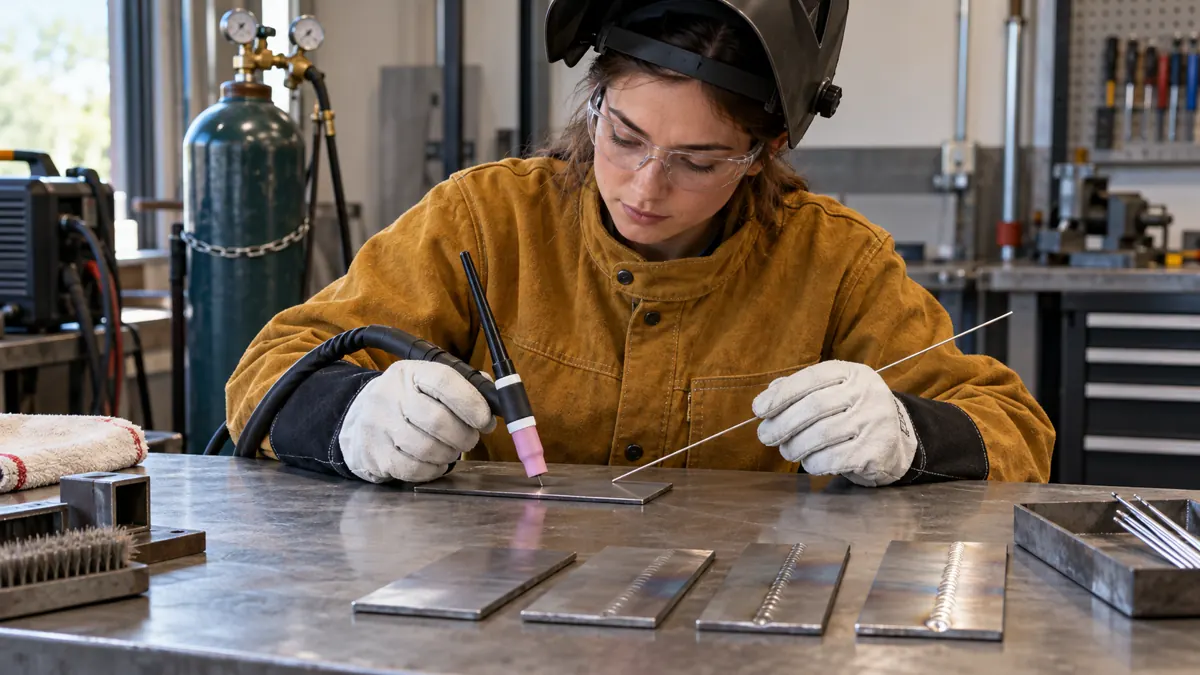
A beginner welding practice roadmap should tell you what to work on next and how to recognise progress. Start with a repeatable setup, then practise starts, short beads and simple joints on known scrap. Move forward when you can explain the result and repeat it, rather than after a fixed number of days.
This plan is for supervised learning and noncritical practice pieces. It is not a route to approving structural, vehicle, lifting or pressure work. If you still need to choose a process, read the broader welding beginner guide first.
Stage 1: make the setup repeatable
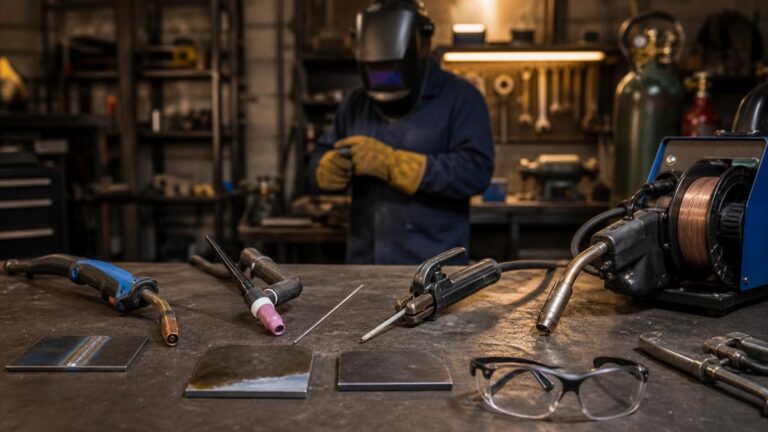
Choose one process, one known material and one consistent practice task. Record the machine model, consumable, polarity and starting settings from the applicable instructions. Label your coupons before practice so you can compare them afterward.
Before the machine is energised, rehearse your position and travel path. Check that you can reach the joint without pulling a cable tight or placing a hand where hot material will land. Ask an instructor to check the setup before your first arc.
Move forward when: you can identify the controls you are using, explain the consumable choice and complete the same pre-start checks without guessing.
Stage 2: practise starts and controlled stops
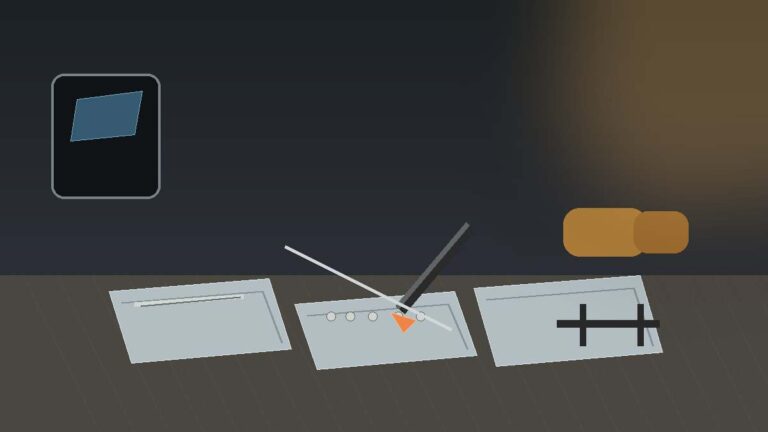
Use separate marked areas of a coupon for short runs. Concentrate on starting at the intended point and stopping deliberately. Keep the practice length similar between attempts so that comparisons mean something.
After the piece has cooled and been cleaned, compare the start, middle and end of each run. Ask what changed when you reached, repositioned or lost sight of the joint. Do not compensate for a poor viewing position by lifting your helmet during an arc.
Move forward when: starts land where intended and you can stop without losing control of the torch or electrode. Repeated difficulty is a reason to get feedback, not to increase the task’s complexity.
Stage 3: compare straight practice beads
Run several comparable beads using the same material and setup. Change only one variable between comparisons. For example, compare travel consistency before changing multiple machine controls.
A photograph can help keep a record, but it does not reveal every internal defect. Ask a competent instructor to review your coupons and advise which checks or practice tests are suitable. Pair this plan with process-specific guidance, such as Miller’s TIG basics guide, and instructions for your actual equipment.
Move forward when: you can repeat the result and describe the change you made. A single attractive bead is not enough evidence.
Stage 4: introduce one joint at a time
Move to a simple lap or T-joint selected with your instructor. Keep the process and material familiar. Fit-up, clamping and access become part of the exercise; the task now involves joining surfaces, not just depositing metal on a plate.
Practise on coupons that can be examined and, where appropriate, tested under instruction. Do not turn a practice joint into a load-bearing object. Work through the common weld defects guide to learn the vocabulary used during feedback.
Keep a useful practice log
| Record | Useful detail |
|---|---|
| Coupon | Known material, measured thickness and joint type |
| Setup | Machine, process, consumable, polarity and settings |
| Observation | What happened at the start, middle and stop |
| One change | The single adjustment made before the next comparison |
| Feedback | Instructor’s observation and next practice task |
Keep unsuccessful coupons in the record too. A note such as “lost the joint when the clamp blocked my view” gives you something to correct. “Bad weld” does not.
When to repeat a stage
Repeat or simplify the task when the setup varies unexpectedly, you cannot see the joint, results change widely, or you cannot explain a setting. Stop for equipment faults or unresolved safety conditions. Read the exact machine manual and use the setup checklist before another session.
There is no universal completion date. The useful outcome is a reliable learning routine and informed feedback about your next skill.